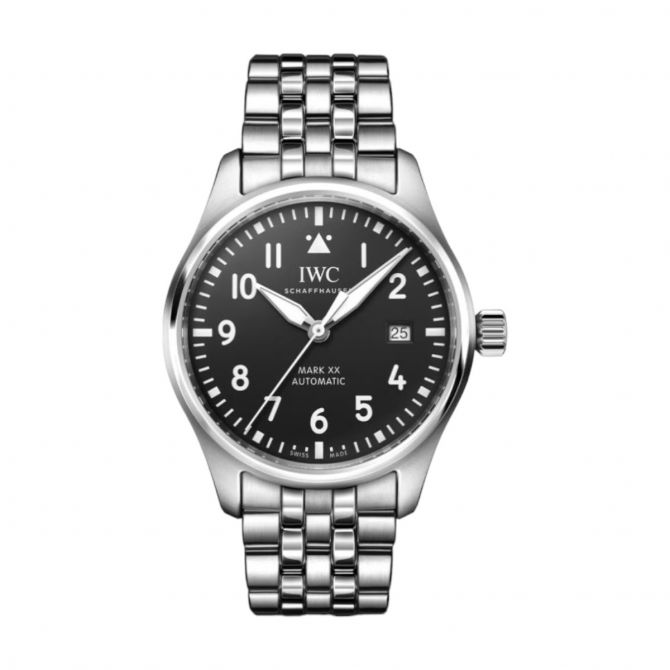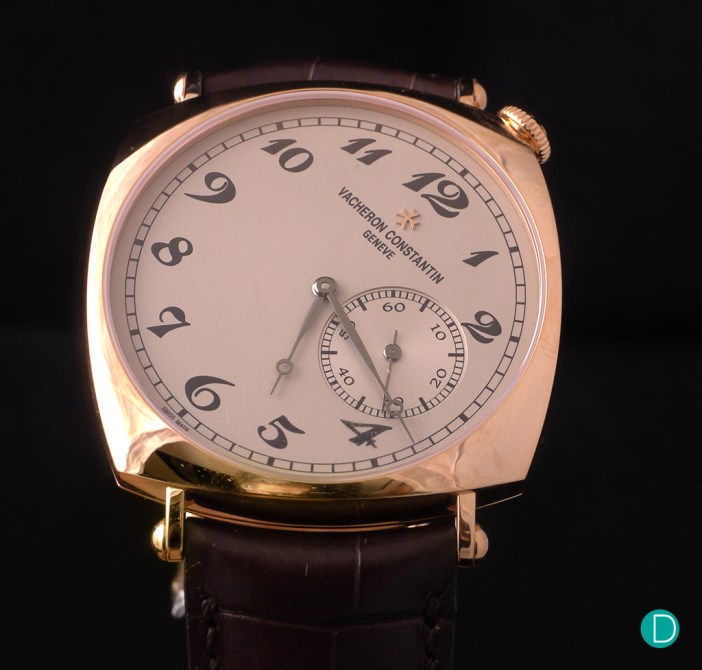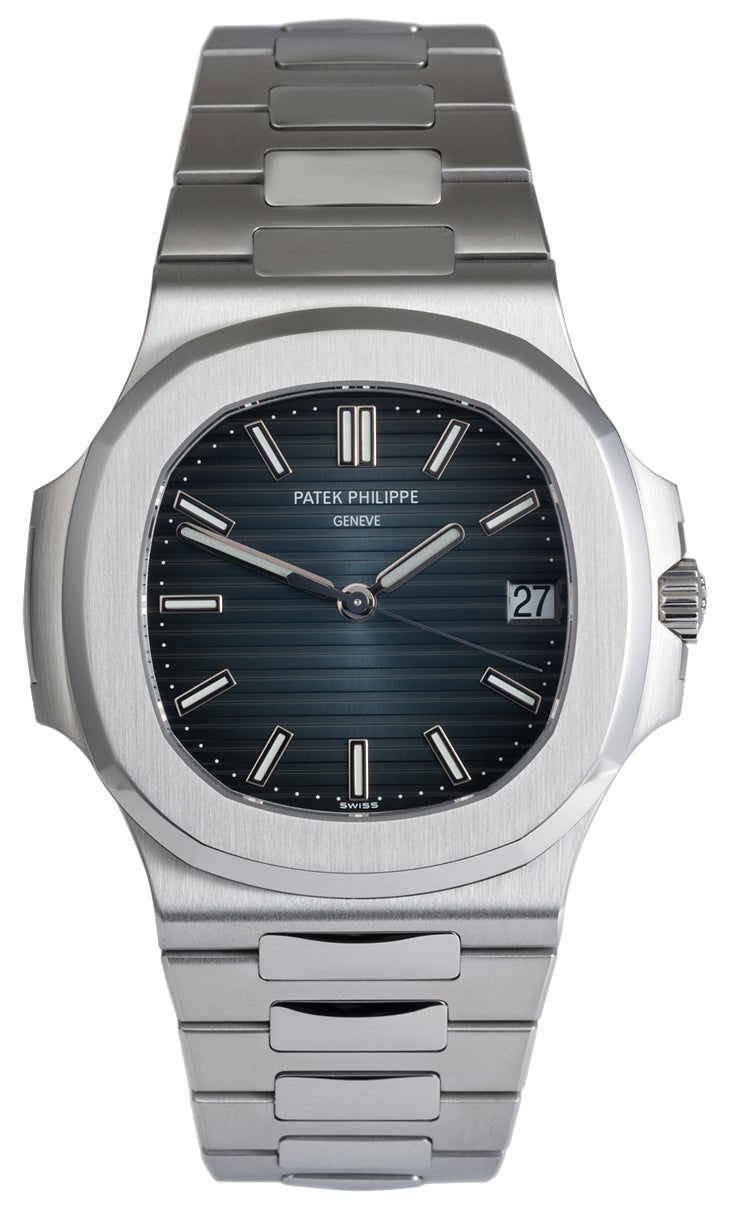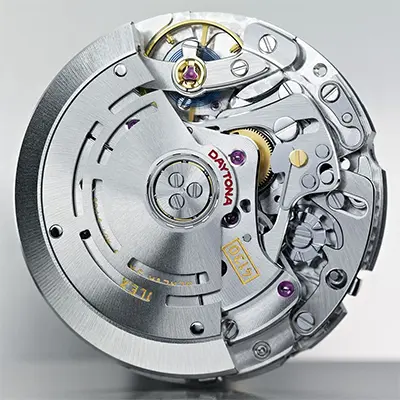
A useful watch listing should make it easy to understand the design, materials, movement, and functions of the item being offered. Terms such as “superclone” and “1:1” are not a substitute for that information. This buyer's guide explains how to turn broad claims into a clear comparison of specific replica watches.
Define the watch you are looking for
Start with the model family, reference-style name, dial color, case finish, and bracelet or strap. A Rolex-style chronograph, an integrated-bracelet Patek Philippe-style watch, and a large Richard Mille-style design raise different questions about fit and function.
Write down the features that matter most to you. That might be a simple date display, an additional time-zone hand, a particular dial texture, or a comfortable bracelet. Knowing your priorities helps prevent a long list of impressive-sounding specifications from obscuring the basics.
Read materials and finishing separately
Listings may mention 904L or 316L steel, sapphire crystals, ceramic bezels, and gold-colored finishes. Ask which components use each stated material. A coated case is different from a case made entirely from the named material, and a gold-colored surface is not the same as a solid precious-metal part.
Finishing is another question. Inspect the edges between brushed and polished areas, the consistency of the bezel markings, and the fit of the bracelet. A material description does not establish how carefully an individual watch has been assembled.
Understand movement language
“Clone movement” can be used for different constructions. Some watches use a standard base movement with decoration; others are described as reproducing more of an original caliber's layout or functions. Request the installed movement's identity and an explanation of its operation.
A chronograph needs a demonstration of its timing functions. A GMT-style watch needs a clear account of how its hands are adjusted. Calendar displays should be shown working as described. Decorative similarity through a caseback does not establish Swiss manufacture, genuine-brand origin, or equivalent mechanical performance.
Use factory labels as identifiers
Names such as VSF, Clean, BT, ZF, 3KF, and PPF may help distinguish versions. Ask for the exact reference and revision linked to the label. A factory name is most useful when it leads to a concrete specification rather than a general claim of superiority.
Different components may deserve separate comparison. One version may have a dial appearance you prefer, while another has a bracelet or movement description that better suits your needs. The factory guide explains common labels without treating them as universal rankings.
Review the actual watch before approval
| Review area | What to request |
|---|---|
| Appearance | Level dial photo, case sides, caseback, and clasp. |
| Fit | Dimensions, bracelet adjustment, or strap sizing information. |
| Functions | A video showing the advertised complications and setting sequence. |
| Movement checks | Available test evidence with the relevant conditions explained. |
| Order match | Confirmation of the selected reference, color, finish, and movement. |
Photographs can reveal visible issues, but they cannot establish every material property or guarantee future reliability. When something is unclear, ask a specific question tied to the image or description. The QC photo guide provides a more detailed review process.
Keep the order record complete
Before payment, confirm the total, available method, delivery details, and applicable order terms. Keep the product description, confirmation, inspection material, and dispatch information together. The payment and order guide explains the stages to distinguish.
At Beasts.us.com, compare watches by the details you can understand and verify. A well-defined choice is built from the exact design, specified construction, demonstrated functions, and a clear record of what has been agreed.