Factory names appear throughout replica-watch listings, often beside a model reference or movement code. They can help distinguish versions of a similar design, but they are not an independent quality certification. The most useful comparison starts with a specific watch and ends with clear evidence about the example being offered.
Why the version matters
Two watches that share a reference-style name may have different case proportions, dials, bracelets, or movements. A seller may also use a familiar factory label across several revisions. Ask for the complete model description and version, then compare like with like. A broad ranking of brands or factories can hide important differences between individual models.
Names such as Clean, VSF, ZF, APS, 3KF, and PPF recur in the source material. Treat them as labels used in the replica market, separate from the genuine watch brands. A replica carrying one of these descriptions is not a product manufactured or endorsed by Rolex, Patek Philippe, or the other brand it imitates.
Common labels and the models discussed
| Factory label | Collections associated with it in this guide |
|---|---|
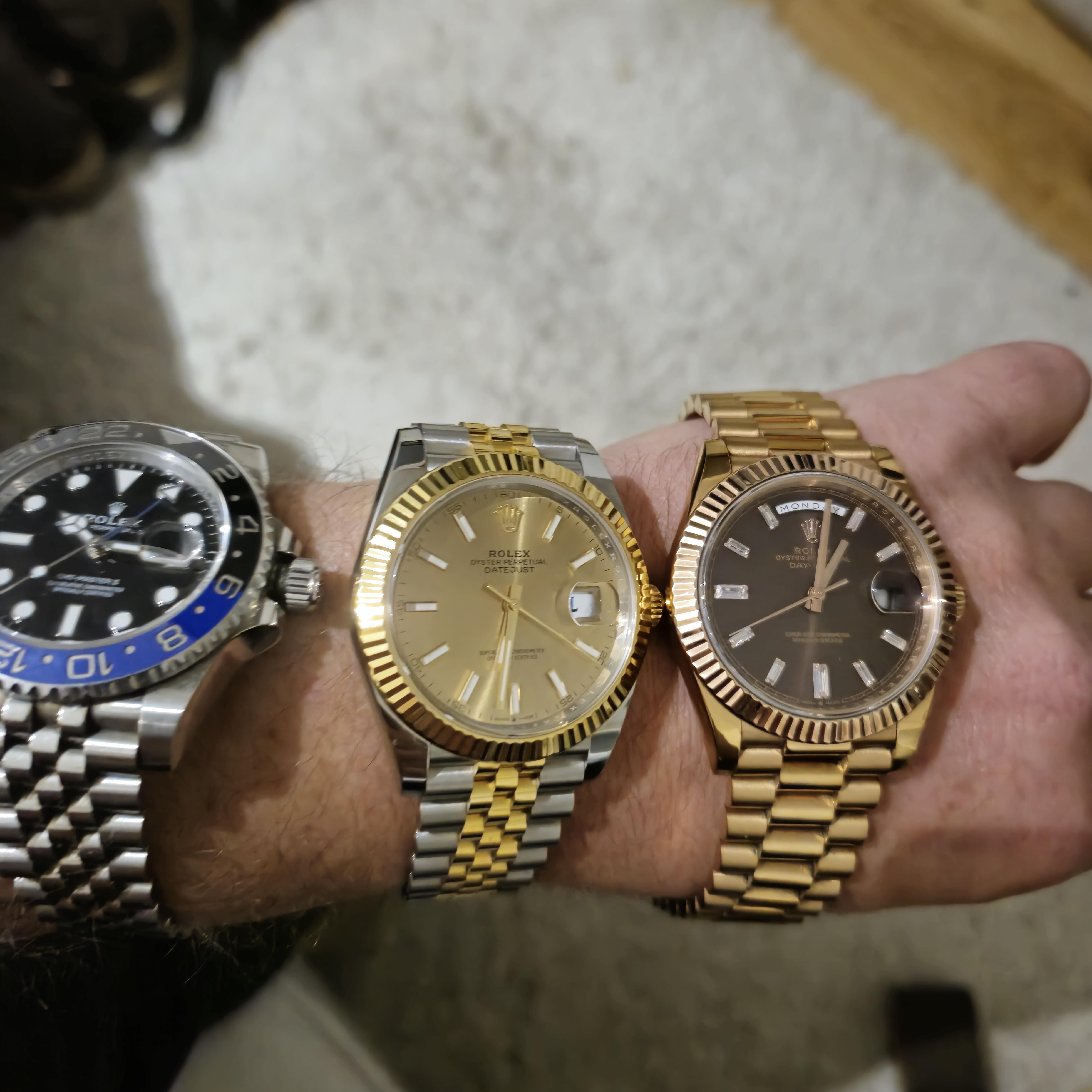
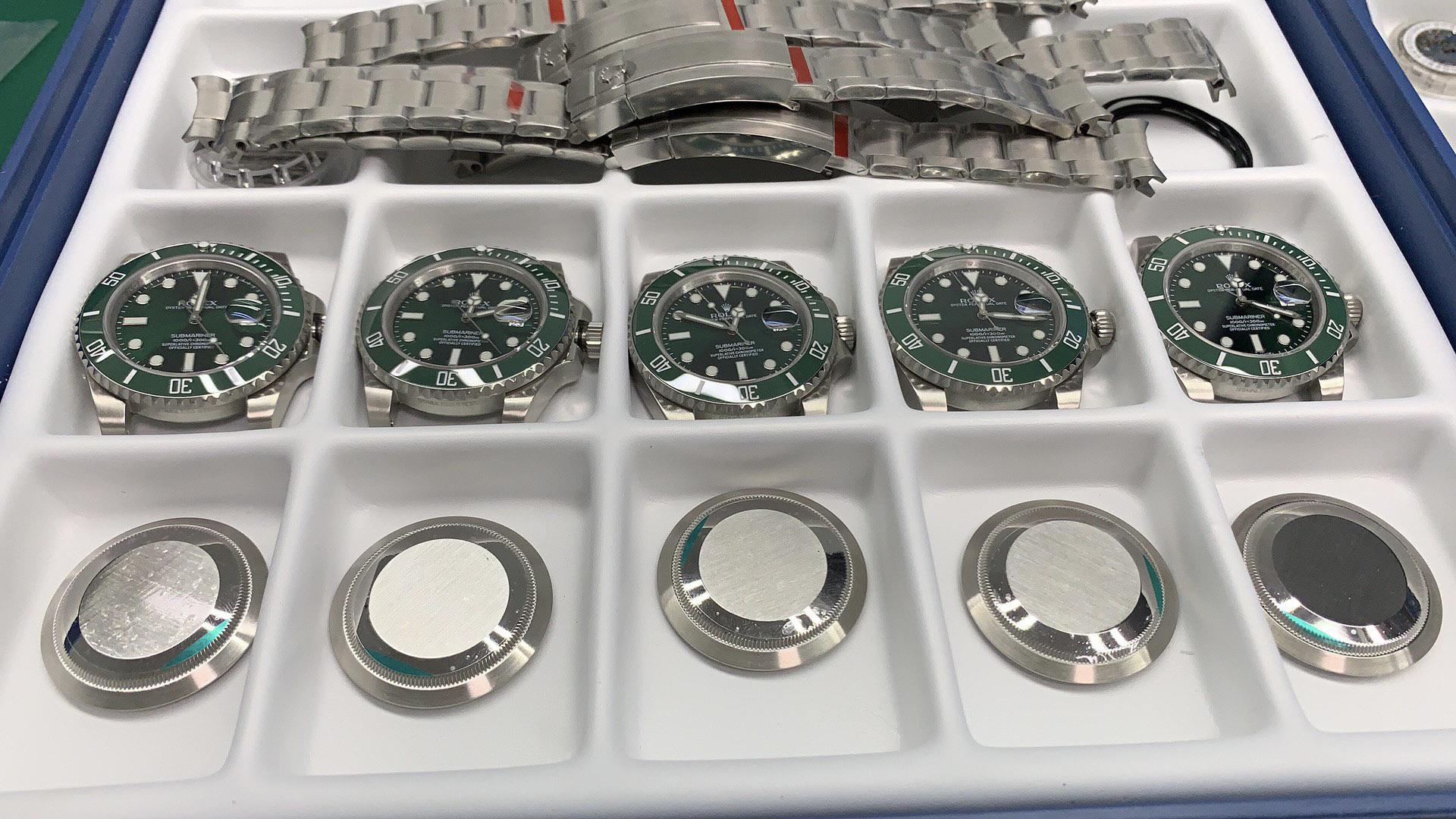
| Clean / CF | Rolex-style Submariner, GMT-Master II, Datejust, and Daytona. |
| VS / VSF | Rolex-style models and Omega-style Seamaster or Aqua Terra. |
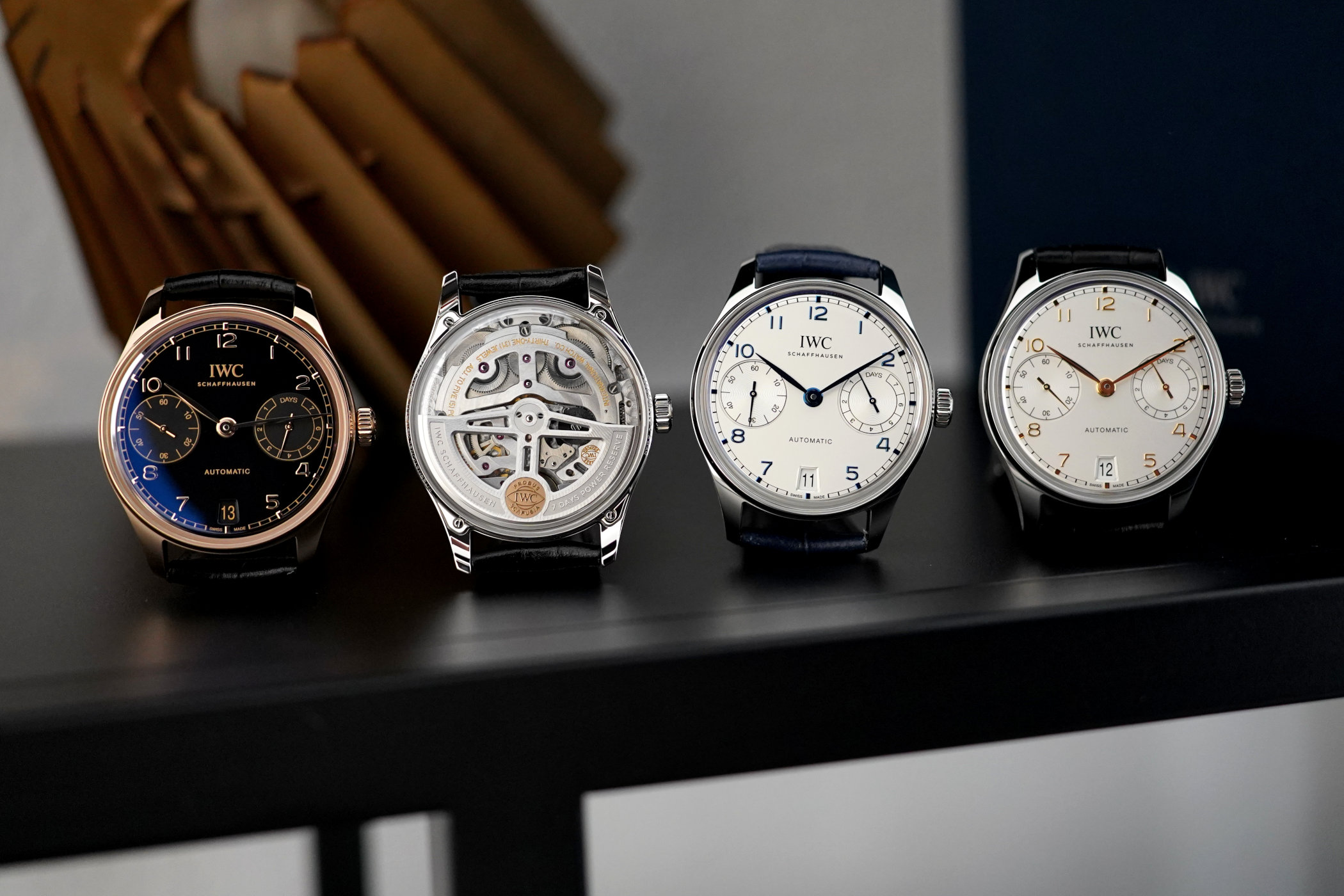
| ZF | IWC-style watches, Royal Oak-style models, and Tudor-style designs. |
| APS | Audemars Piguet Royal Oak-style watches. |
| 3KF / PPF | Patek Philippe Nautilus-style watches. |
| GF | Breitling-style and Cartier-style watches. |
| HBB V6 / WWF | Hublot-style watches. |
| KV | Richard Mille-style watches. |
| 8F / TWA | Vacheron Constantin-style watches. |
This table is a way to read the terminology, not a live availability list or a declaration that one factory is best. Stock, component descriptions, and the meaning of version labels need to be confirmed for the listing in front of you.
Compare the details that affect the watch
Case, dial, and bracelet
Start with the overall shape and proportions. Then examine the features that define the design: a Nautilus dial's horizontal lines, a Royal Oak-style patterned dial, or a Seamaster-style wave pattern. Check the transition between polished and brushed areas, the fit of the bracelet, and the consistency of visible markings.
Material claims need their own support. A photograph cannot confirm a steel grade, prove that a gold-colored case is solid gold, or distinguish every ceramic finish from a coating. Ask for a clear material description rather than assuming that a factory label settles those questions.
Movement and functions
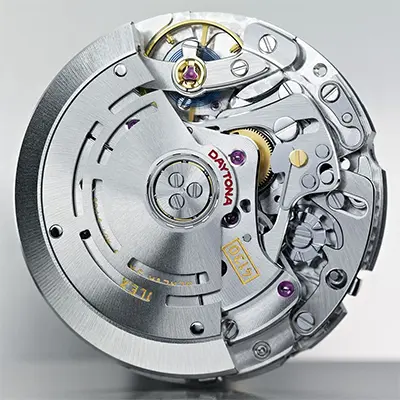
A caliber-style name may describe a visual imitation, an adapted movement, or a more closely copied layout. Those categories can differ in operation and service requirements. Ask what is installed and which functions work. A decorative rotor or bridge does not establish movement origin.
Complicated watches deserve a specific demonstration. A chronograph should be shown starting, stopping, and resetting. A GMT or calendar display should be shown being set and operating. These checks are more informative than an unsupported score for overall accuracy.
Use factory information alongside individual QC
General reputation cannot replace an inspection of the actual watch. Review the dial, date, case, bracelet, and any movement evidence for the unit assigned to the order. If an image leaves a question open, request the missing view before approval.
Browse the relevant Rolex, Omega, or Patek Philippe replica collection to compare designs, and use the QC checklist to assess an individual example. Keep the agreed factory label, version, movement, and specifications in writing so the comparison remains concrete.