Choosing an Audemars Piguet replica starts with the model family. A Royal Oak on an integrated bracelet, an Offshore on rubber, and an openworked version offer very different experiences. Factory names and “super clone” labels can help identify a listing, but they do not replace a clear specification or photographs of the actual watch. This guide organizes the useful comparisons without treating a broad ranking as a quality guarantee.
Start with the design family
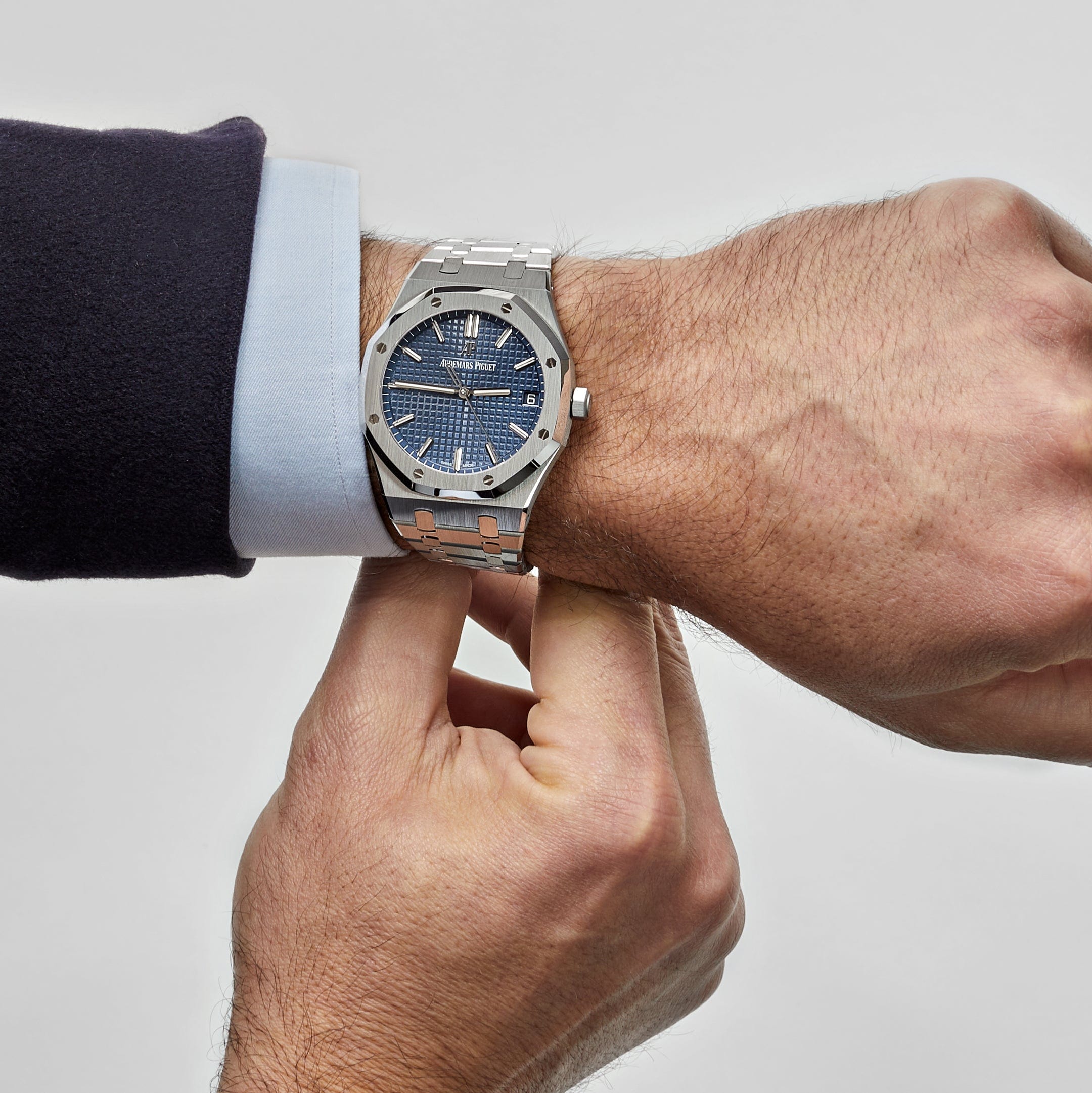
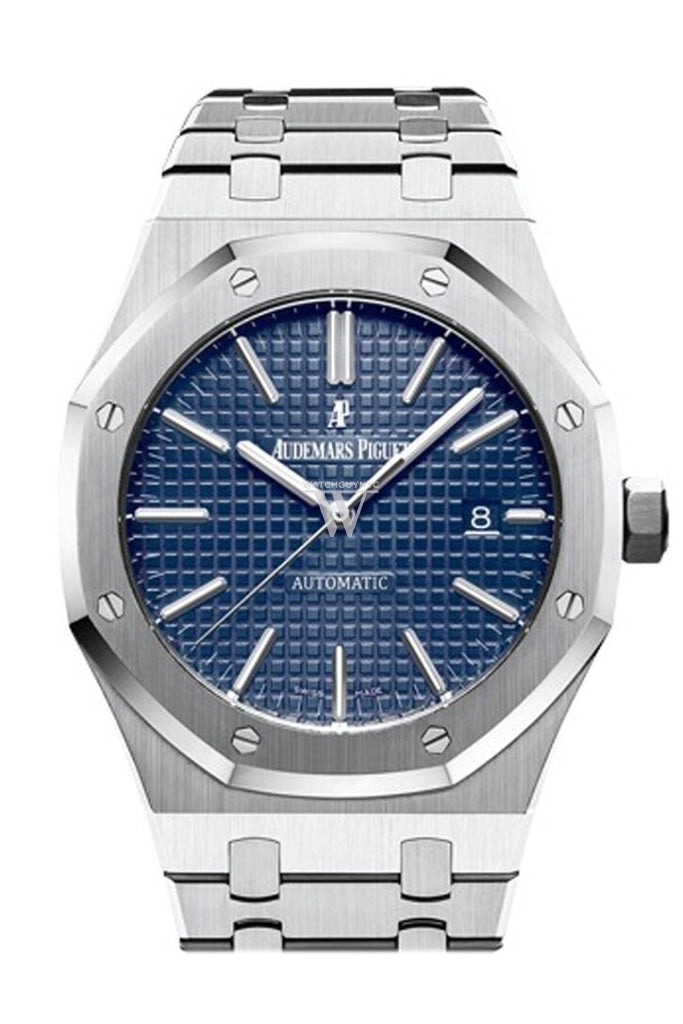
The standard Royal Oak emphasizes an octagonal bezel, a tapisserie dial, and an integrated bracelet. The 15500ST and 15510ST represent the larger modern time-and-date style, while the 15202ST Jumbo places greater emphasis on a slim profile and finer dial texture. If you like the original shape, compare these references before adding complications.
The Offshore takes the same visual language in a bolder direction. The supplied examples include the 15710ST Diver and 26470ST chronograph, with larger cases, rubber straps, and more prominent controls. Their appeal depends as much on case shape and strap integration as on the dial. An overhead photograph can hide how substantial one feels in profile.
How to interpret factory names
ZF, JF, and APS are the main labels discussed in the source material. That material associates ZF with standard Royal Oak bracelets and case finishing, JF with Offshore styles, and APS with certain dial colors and finishes. Those associations are useful as questions to investigate, not as a permanent ranking of every watch bearing the name.
Ask which reference, version, and movement a listing represents. A factory may offer several revisions, and a claim about one configuration may not apply to another. If two sellers use the same factory label but show different case profiles or movement descriptions, resolve that difference before comparing the watches on appearance alone.
Movement descriptions need context
The supplied articles describe both modified automatic movements and chronograph platforms, sometimes covered with decorative plates or a custom rotor. An engraved caliber number does not by itself identify the mechanism underneath. Confirm whether the movement description refers to the operating caliber, an adaptation, or simply the visual treatment seen through the back.
| Watch type | Questions to ask |
|---|---|
| Time and date | Which movement is installed, and how are time and date set? |
| Chronograph | Which registers work, and do the hands reset correctly? |
| Openworked | Which visible components are functional? |
| Calendar display | Which indicators advance automatically and which require adjustment? |
The details that shape a Royal Oak
Look closely at the tapisserie squares, their alignment, and the way the pattern meets the markers and date opening. The bezel’s brushed face and polished edge should have a deliberate boundary. Its visible screws should sit neatly within their recesses. Inspecting these elements together gives a more useful picture than a numerical “accuracy” score.
For the bracelet, review the first links, clasp, and underside as well as the front. Ask about sizing and removable links. With an Offshore, shift that attention to the strap’s shape at the case, the buckle, the crown guards, and the pushers. A dramatic dial cannot compensate for a fit that does not suit your wrist.
Compare the exact example
- Request clear front, side, back, and clasp photographs.
- Check dimensions and materials against the individual listing.
- Ask for a video of advertised complications operating.
- Confirm the meaning of factory, version, and movement labels.
- Read the stated service and return terms before making a decision.
A simpler Royal Oak highlights dial texture and bracelet finishing. An Offshore emphasizes size and sporting details, while skeleton and calendar styles add visual complexity and more functions to verify. Explore the Royal Oak guide, the openworked guide, or the Audemars Piguet collection at Beasts.us.com to compare the styles that interest you.