IWC’s collections share an emphasis on clear design, but they serve very different tastes. The Portugieser makes a broad dial feel orderly, the Pilot families emphasize instrument-like legibility, and the Portofino keeps a more restrained dress-watch profile. A useful replica comparison begins with those differences, then looks closely at proportions and the functions of the specific watch.
Portugieser: space and symmetry
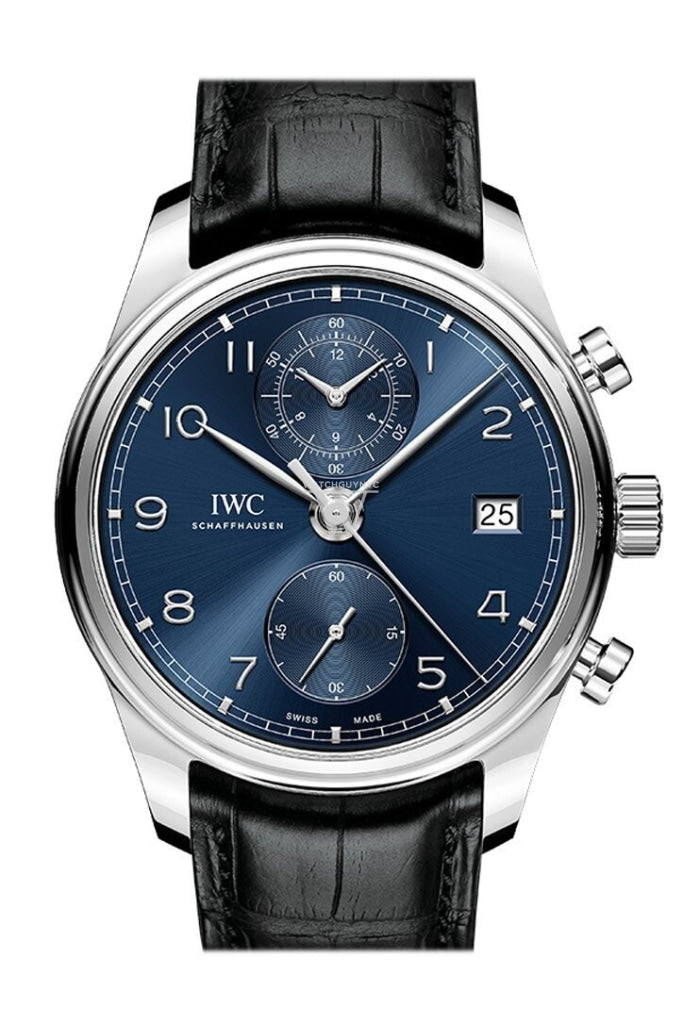
The Portugieser Chronograph combines Arabic numerals, a fine minute track, and a balanced arrangement of subdials. The 41 mm IW371605 style is one example discussed in this collection. Because the dial is open and uncluttered, small differences in numeral placement or subdial spacing are easy to notice. Inspect it straight on before judging the color or shine.
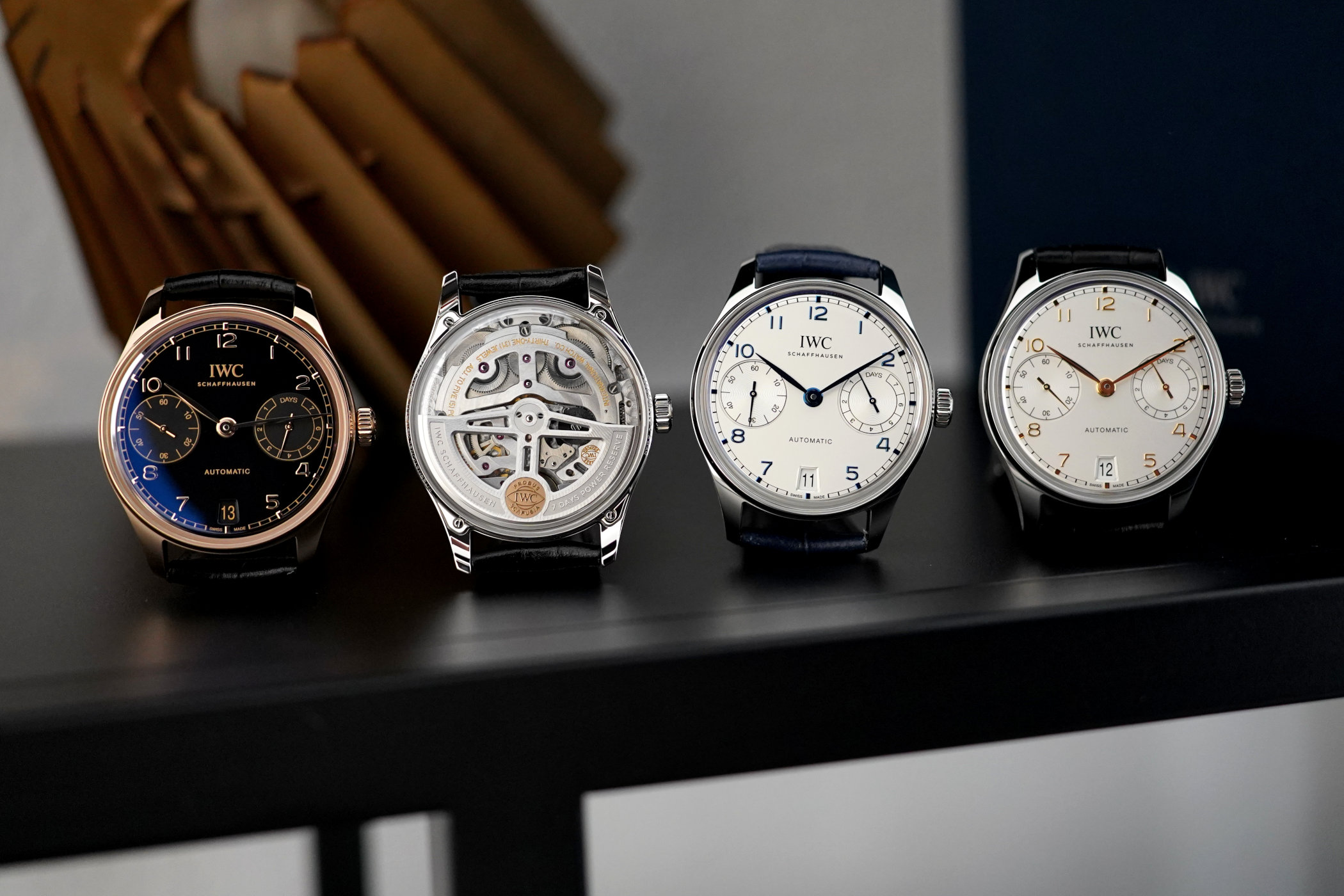
The Portugieser Automatic offers another arrangement, including styles with a power-reserve display. A replica modeled after a “7-Day” reference should not be assumed to run for seven days. Ask for the actual movement specification and whether the reserve indicator reflects the mechanism’s state or is part of a simplified display.
Pilot and Big Pilot: choose the scale deliberately
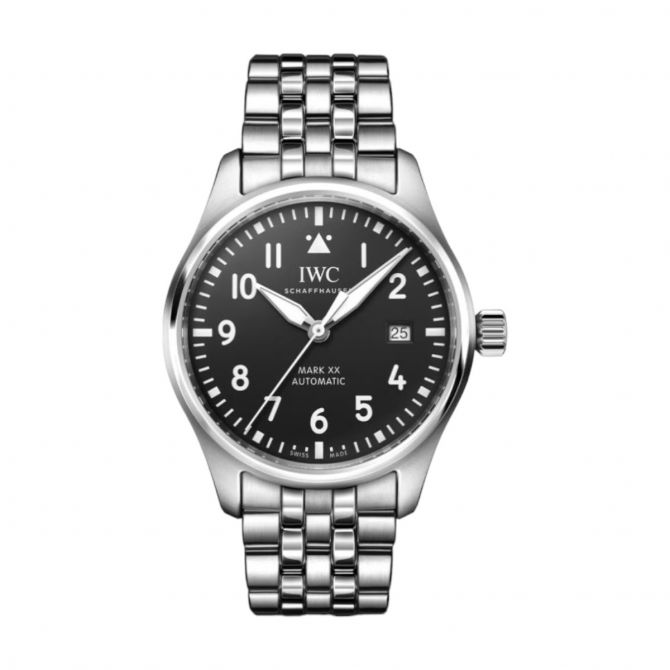
The Pilot family uses prominent numerals, contrasting hands, and practical dial layouts. Mark XX styles provide a comparatively compact starting point, while the Big Pilot emphasizes a larger case and a conspicuous crown. The Big Pilot’s Watch 43, represented by the IW329301 style, offers a different balance from the larger traditional Big Pilot format.
Diameter is only part of the fit. Compare case length, thickness, crown size, and where the strap turns down. A large crown may be visually appealing yet change how the watch feels when the wrist bends. Front, side, and wrist photographs each answer a different question about the overall proportions.
Portofino and Aquatimer: different priorities
The Portofino Automatic keeps the dial simple and the case visually light. An example such as the IW356517 style puts emphasis on slim markers, hand shape, and a clean surface. Its appeal depends on restraint, so inspect the spacing of the dial elements and the finish at the case edges rather than looking for extra complications.
The Aquatimer moves toward dive-watch styling, with a more substantial case and timing-bezel details. Confirm how any bezel system operates on the particular replica. A case inspired by a diving watch does not establish its water resistance, and the original reference’s rating should not be substituted for the individual listing’s specifications.
What to inspect across the collections
- Check that numerals and markers sit evenly around the dial.
- Look for consistent minute-track printing and clear small text.
- Compare the hand lengths and their relationship to the scales.
- Review the boundary between brushed and polished case surfaces.
- Inspect the strap, buckle, and the fit between the lugs.
- Request a demonstration of any chronograph or reserve display.
Understanding factory and caliber descriptions
ZF, YL, V6, MKS, and FL are labels associated with various IWC replica versions. A label can help identify the proposed build, but it cannot establish the quality of every example. Compare the exact reference, revision, and photographs, especially when two listings use different movement descriptions for a similar-looking watch.
Caliber names also need context. A decorated movement may resemble an IWC layout while using a different underlying mechanism. Confirm the installed movement, available functions, and setting procedure. On a chronograph, an operating video is more informative than a statement that the movement is “fully functional” without further detail.
Choose the design you expect to wear regularly, then compare clearly specified examples within that family. Browse the IWC collection at Beasts.us.com, or explore the Portugieser and Big Pilot guides for a closer look at their defining features.