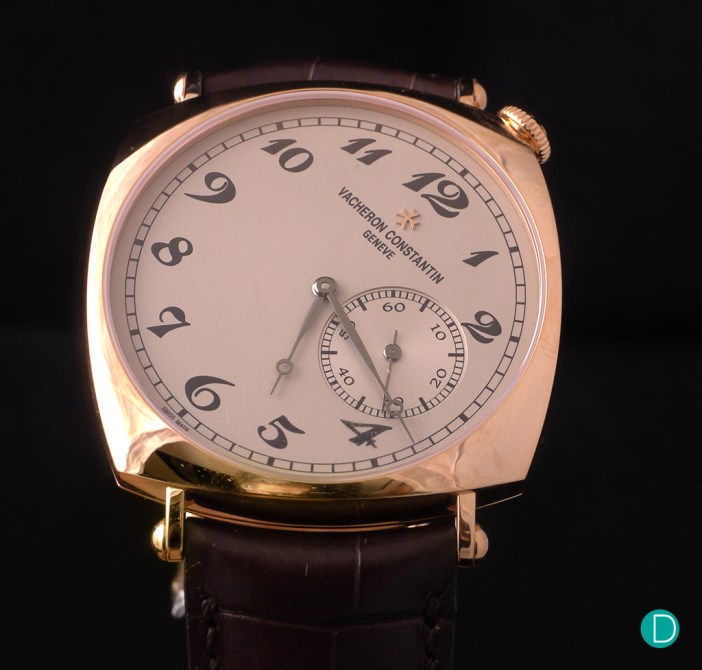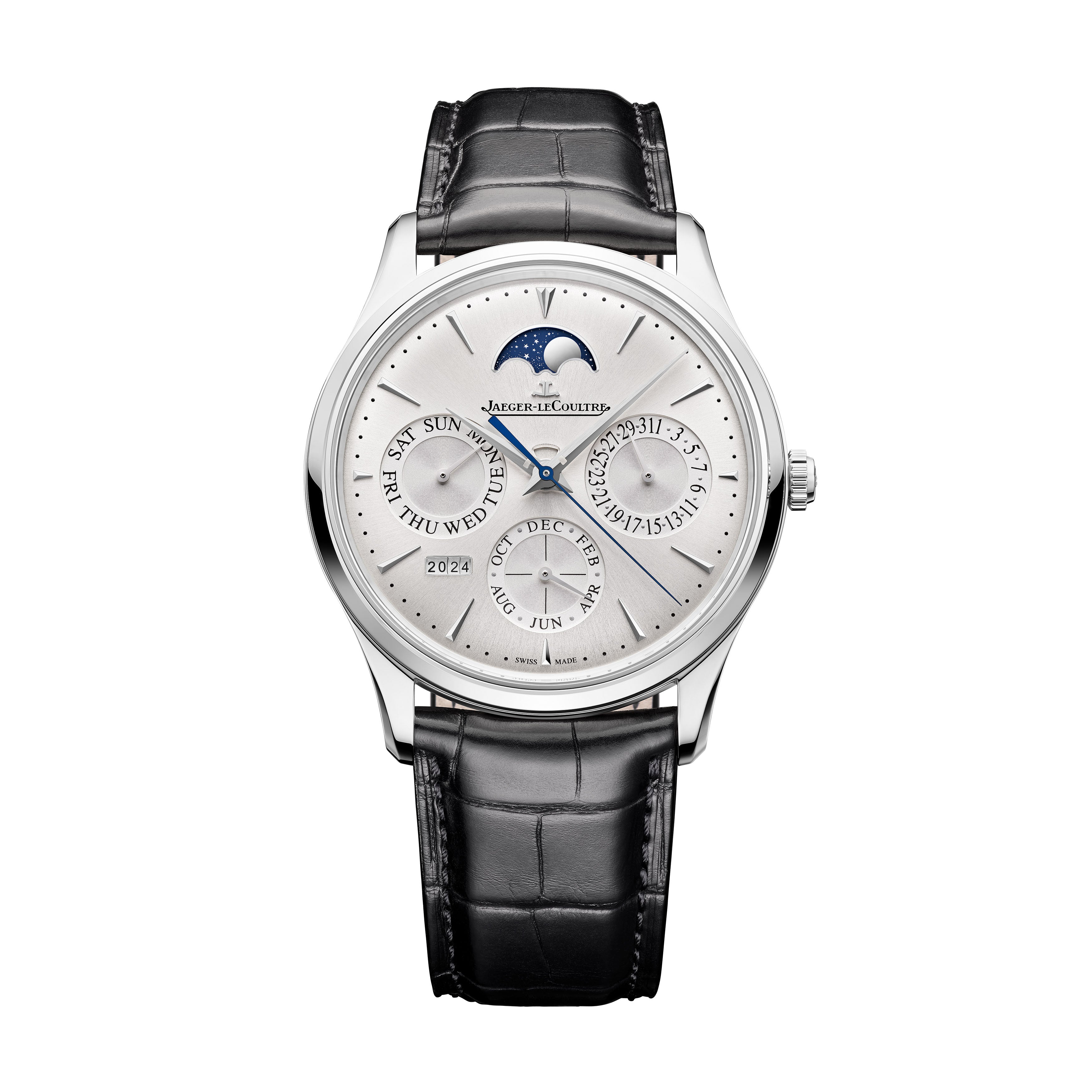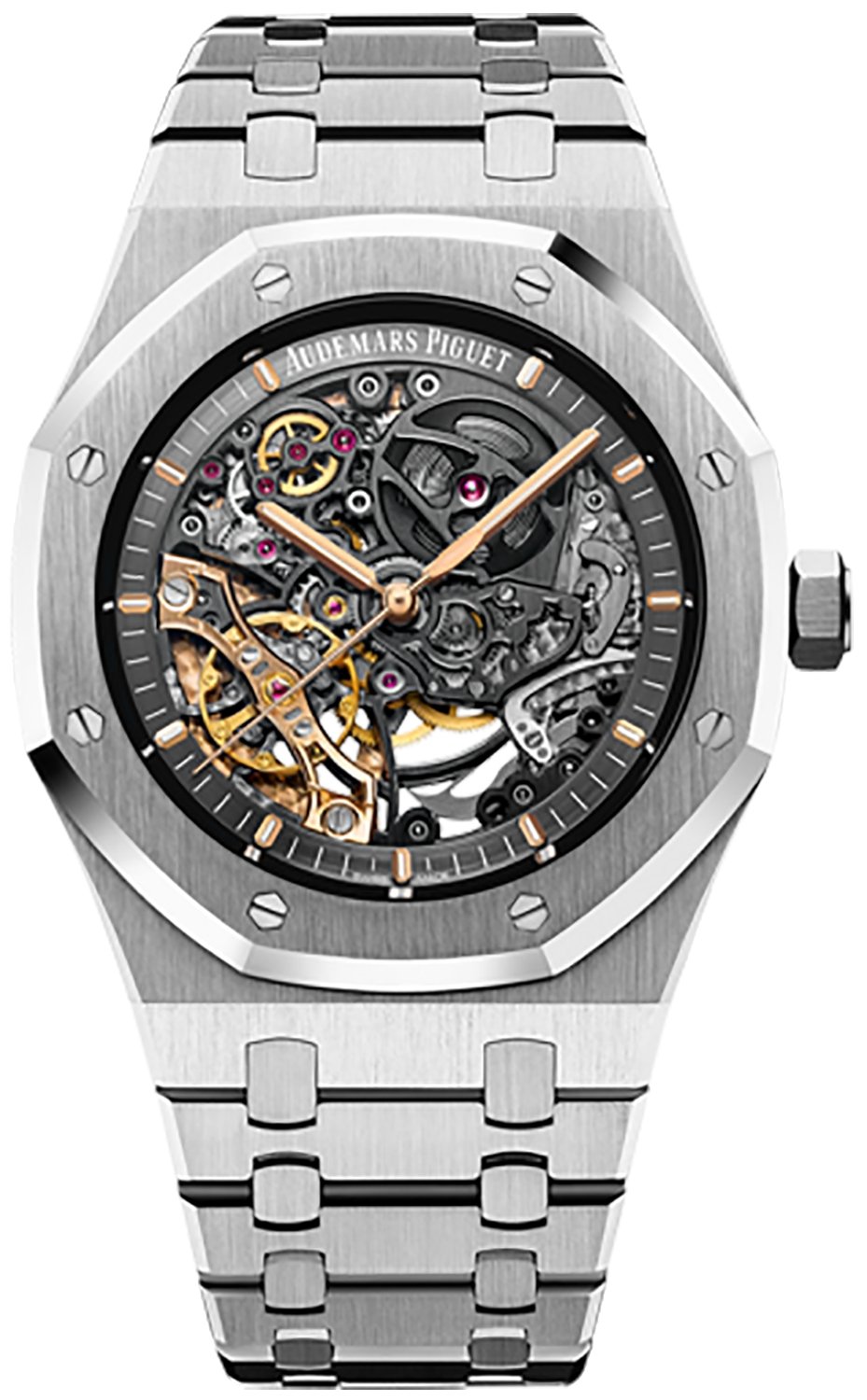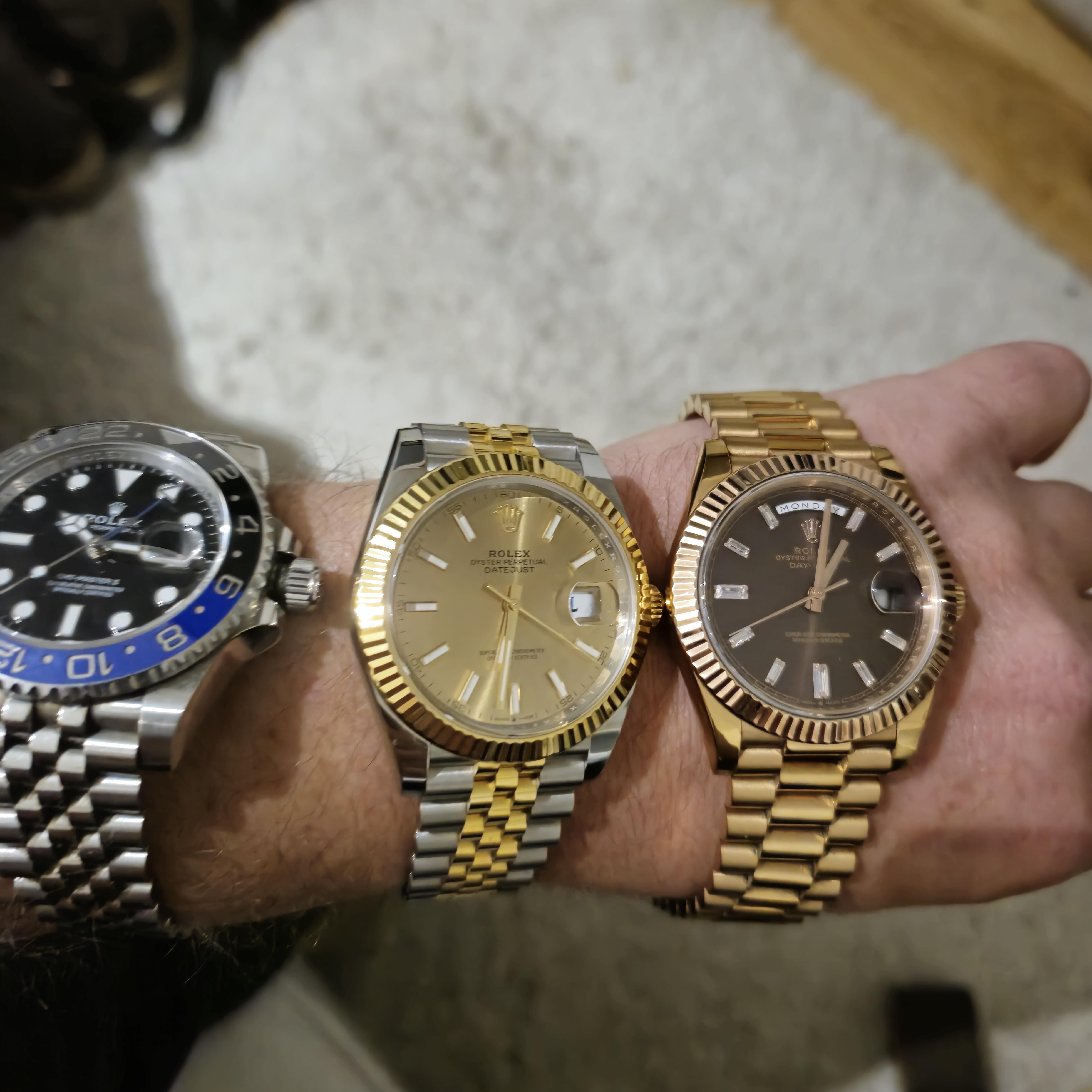
“Super clone,” “AAA,” and “premium replica” are labels used in watch listings, but a label does not tell you exactly what is inside a watch. Price can reflect different materials, movements, or finishing, yet it does not prove those differences. A useful comparison breaks the watch into specific features that can be described and checked.
Start with the specification, not the tier
Ask for the complete reference-style name, case dimensions, materials, movement, bracelet or strap, and working functions. Two watches that look similar in a thumbnail may differ substantially in thickness, dial layout, clasp construction, or the purpose of their subdials.
A more expensive listing should explain what the additional cost buys. “Closer to genuine” is too broad on its own. Clear photographs, an identified movement, and a precise material description make it possible to compare the offerings without accepting an unsupported percentage score.
Compare the movement and its functions
A watch can use quartz, a standard mechanical movement, an adapted mechanism, or a movement marketed as a clone caliber. These categories describe different approaches, but none should be reduced to a guaranteed lifespan based on the price of the watch.
Separate appearance from operation. Decorative bridges or a branded rotor can create a familiar view through the caseback without reproducing the original architecture. For a chronograph, GMT, or calendar model, request a demonstration of the actual functions. A busy dial can contain displays that do not behave as their appearance suggests.
Materials need clear descriptions
| Component | Useful comparison |
|---|---|
| Case | Stated base material, coating, dimensions, and finish. |
| Crystal | Specified material and coating, rather than a vague clarity claim. |
| Bezel | Construction, marking quality, alignment, and operation where applicable. |
| Bracelet or strap | Link construction, edge finishing, articulation, clasp, and fit. |
| Movement | Installed type, demonstrated functions, and available service information. |
Material names should not be treated as a complete quality hierarchy. Good assembly and finishing still matter, and a photograph cannot confirm every metal grade or coating. Ask what evidence supports a claim instead of assuming that a higher price settles it.
Look closely at the dial and bracelet
The dial is where many construction differences become visible. Check the sharpness of the printing, the placement of the markers, the centering of date numerals, and the consistency of texture. Compare level photographs at a useful scale rather than relying only on heavily enlarged promotional images.
The bracelet affects the wearing experience just as directly. Look for clean edges, consistent finishing, and a secure-looking clasp. Confirm available adjustment and the attachment to the case. A substantial weight alone does not demonstrate better construction or a more comfortable fit.
Inspection and order terms are part of the comparison
Ask whether photos show the actual watch and what happens if a visible issue is found before dispatch. Review the order description, payment instructions, shipping terms, and after-sale process in writing. A confident marketing claim is less useful than a specific explanation of how a problem will be handled.
Water resistance requires its own evidence. A diving design, engraved depth rating, or screw-down crown does not establish that a replica has been tested to the original watch's specification. Keep those claims separate from cosmetic similarity.
Make the decision concrete
Compare the two watches feature by feature and identify which differences matter to you. A clearer dial, a better-fitting bracelet, or a demonstrated complication may be more relevant than the seller's tier name. Both remain replicas, regardless of how they are marketed.
The factory guide, movement guide, and QC photo checklist explain the terminology and inspection process in more detail.