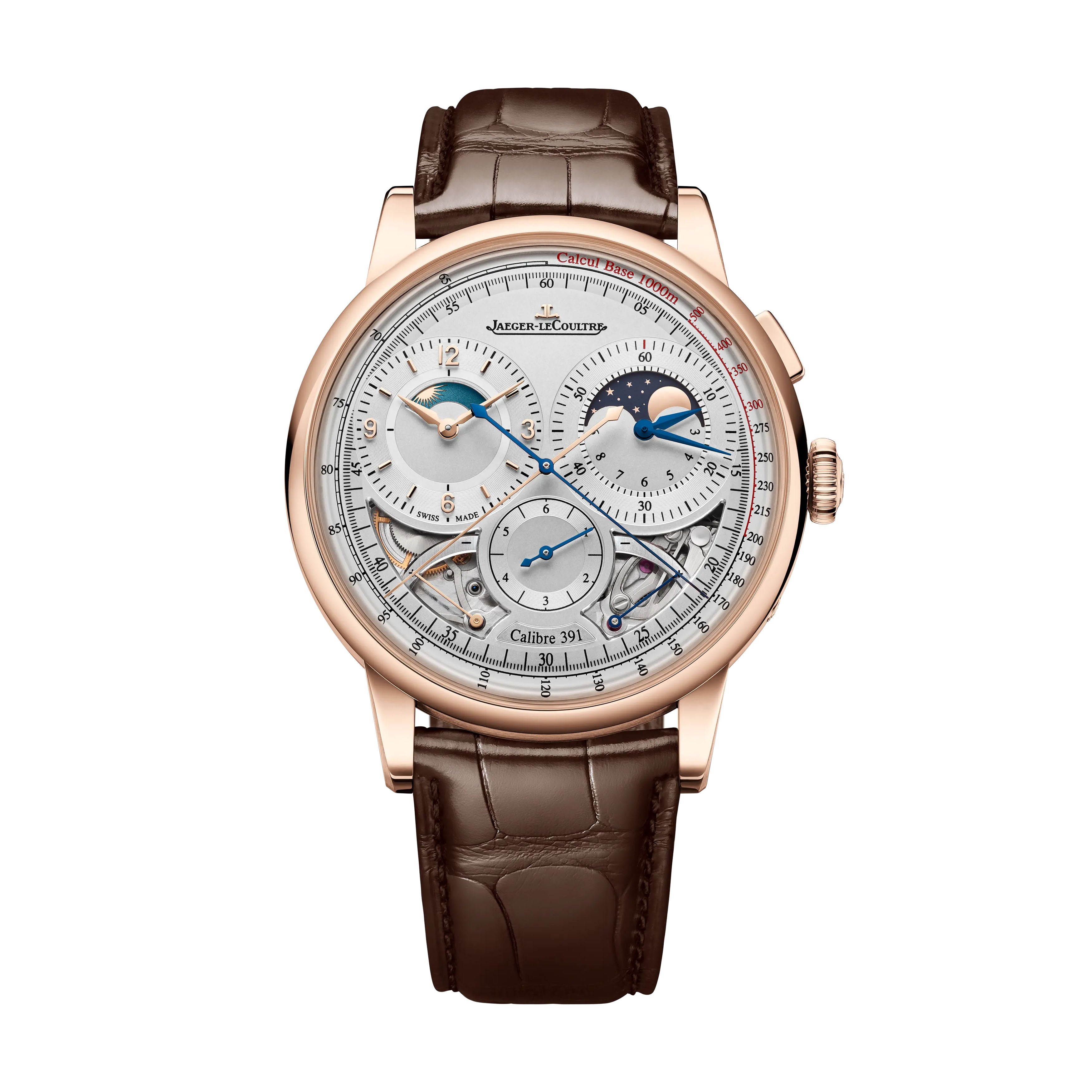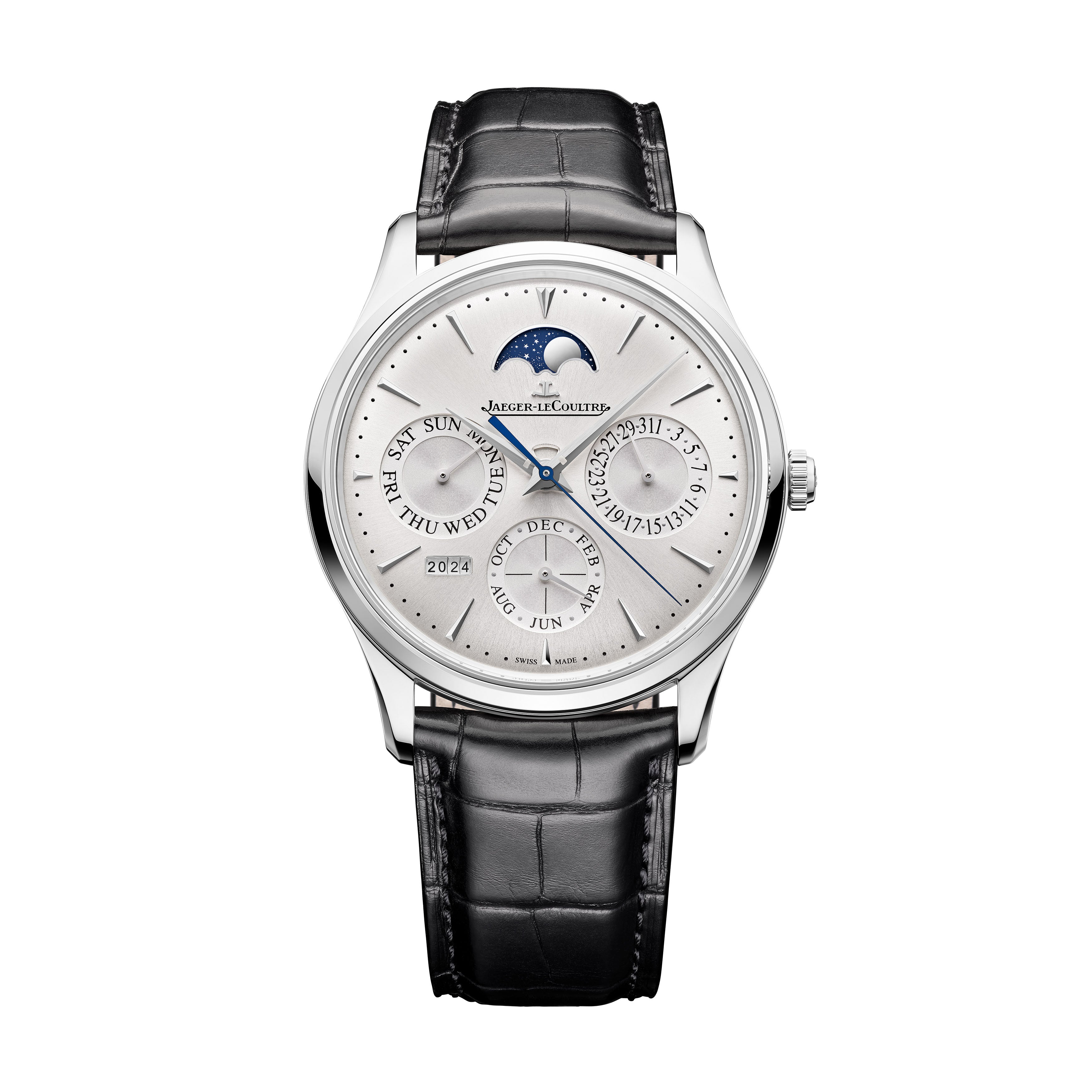
The Jaeger-LeCoultre Master family places emphasis on proportion: a relatively slim case, fine hands, applied markers, and an orderly dial. The differences between a simple time display, a moon phase, and a travel complication can be substantial, even when the watches share the same restrained appearance. A Master replica should be assessed by its actual dimensions, materials, and functions.
Understand the different Master designs
Master Ultra Thin designs focus attention on the case profile and the space around the hands. Master Control models offer a related but distinct approach to everyday timekeeping, with several calendar and travel variations. The names refer to original Jaeger-LeCoultre collections; they do not prove that a reproduction shares the original construction or testing.
In particular, the Master 1000 Hours Control name is associated with Jaeger-LeCoultre’s own testing program. A replica carrying related text or branding should not be assumed to have undergone that process. Evaluate the evidence supplied for the individual watch.
Case thickness changes the character
Thinness is central to the appeal of many Master designs. A reproduction that adds noticeable height may still resemble the original from above, yet sit differently on the wrist. Ask for a measured case height and side photographs, including the caseback and crystal.
The lugs also deserve attention. Their length and downward curve determine how the watch follows the wrist, while the strap’s thickness can alter the apparent profile. Compare these details with a watch you already wear comfortably instead of relying on a universal wrist-size recommendation.
Moon phase and calendar layouts
The Master Ultra Thin Moon combines a restrained main dial with a moon display and surrounding date information. Silver and blue versions give the same basic idea different levels of contrast. Check the moon disc’s printing, the neatness of its aperture, and whether the smaller date scale remains legible.
A moon image does not establish that a display follows the lunar cycle. Ask how it advances and how it is set. Calendar versions likewise need a clear explanation of which indications move automatically and which require correction. Follow instructions for the installed replica movement rather than an original manual.
| Design direction | Priority when comparing |
|---|---|
| Ultra Thin | Case profile, hand finishing, and clean dial spacing |
| Ultra Thin Moon | Moon-display operation and the balance of the lower dial |
| Master Control Calendar | Calendar behavior, adjustment controls, and readable date information |
| Geographic | The relationship between the city indication and second time display |
Geographic: verify the travel function
The Geographic introduces travel information through a city indication and an additional time display. Its attraction is the way several pieces of information are organized within a dress-oriented case. On a replica, confirm whether the displays are linked and how a second time zone is selected.
If those functions are decorative or operate differently, the description should make that clear. A busier dial can still be a visual preference, but it should not be purchased on the assumption that every original function is present.
The finishing details that remain visible
Look for clean facets on the hands, evenly placed markers, and a consistent sunburst or other stated dial finish. Clear photos of the date window and crown are useful because small misalignments stand out on an otherwise quiet design.
Movement decoration through a display back is another visual detail, not proof of a particular caliber or maintenance schedule. Confirm the mechanism and service options separately. For a rectangular alternative, read the Reverso guide, or compare the full Jaeger-LeCoultre collection.