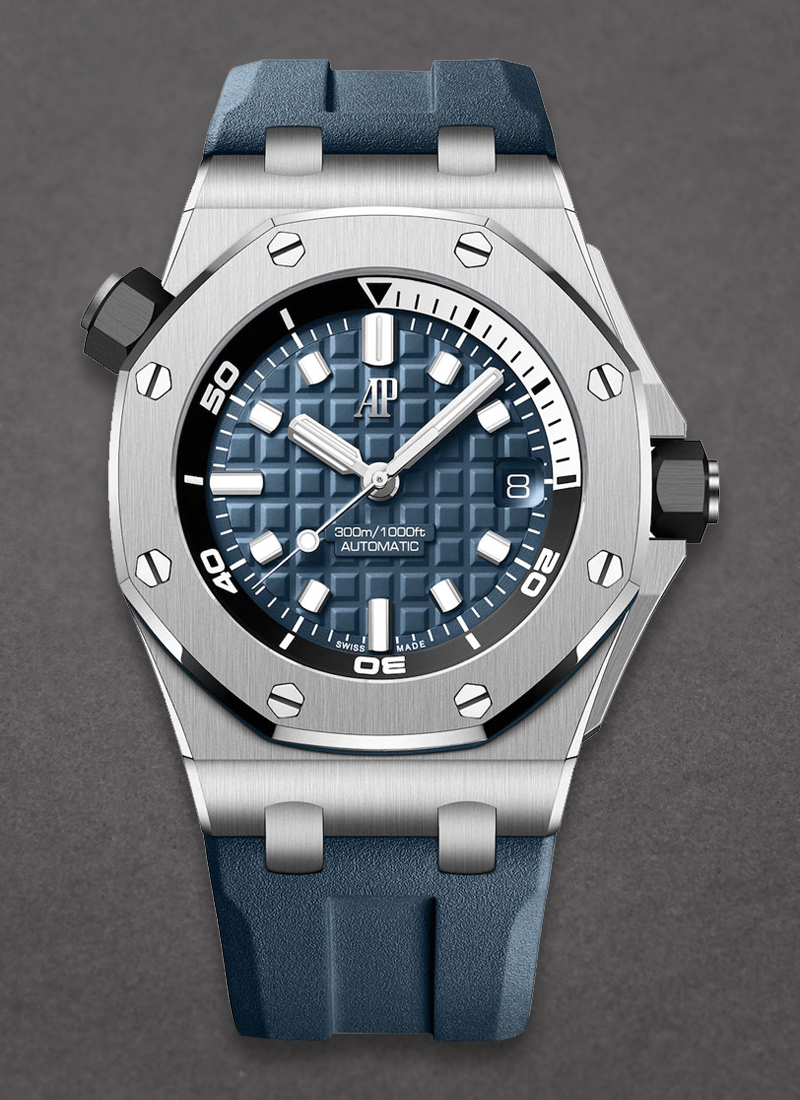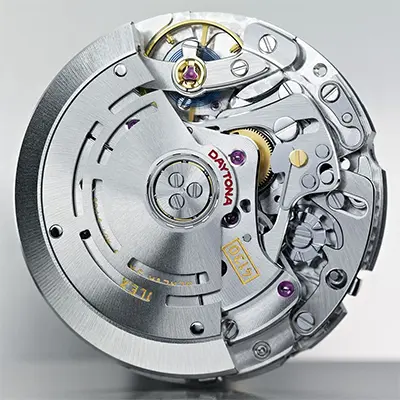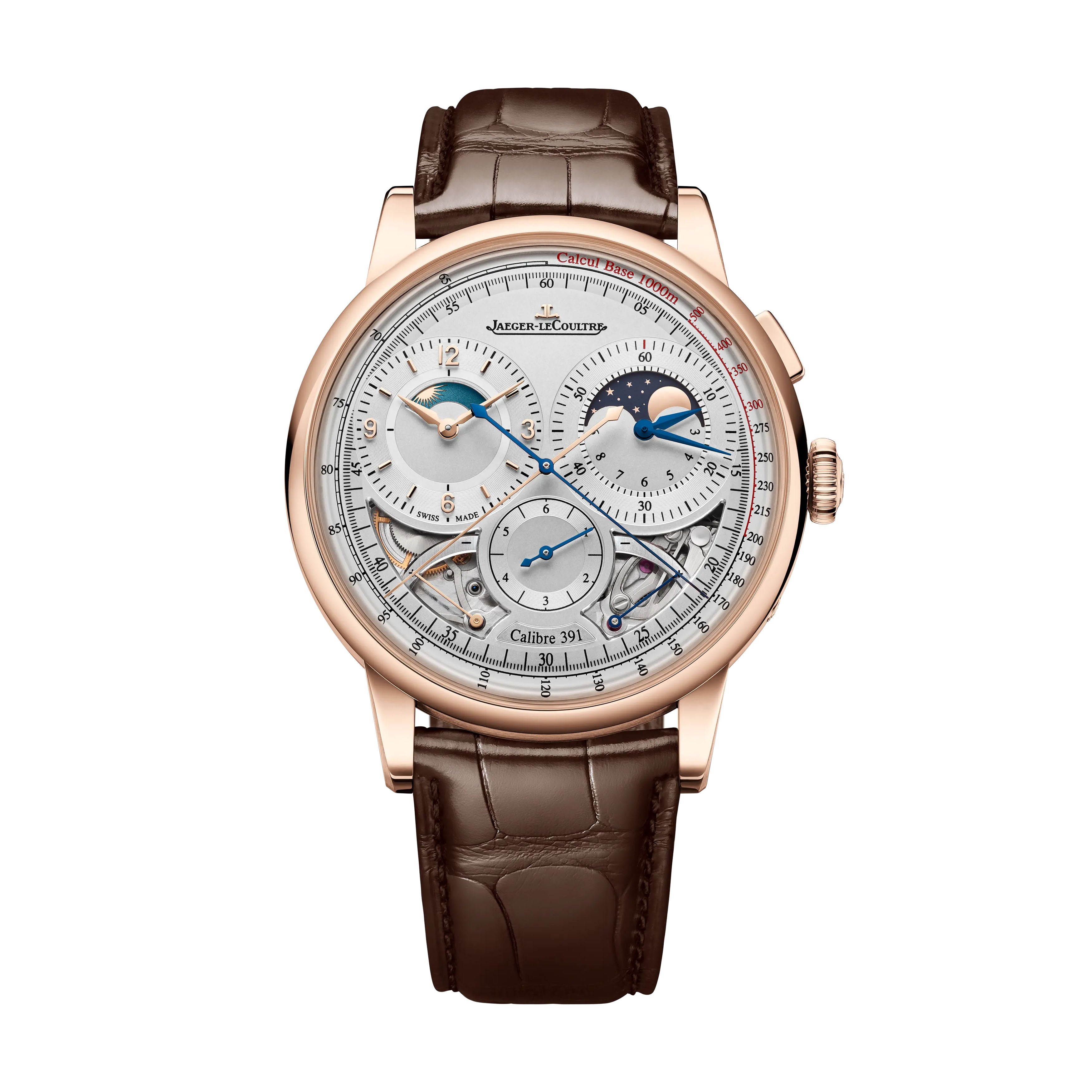
The Jaeger-LeCoultre Duometre is built around an unusual idea: give timekeeping and a complication separate sources of energy while regulating them together. That Dual-Wing concept shapes both the original movement and the dial. A Duometre replica may reproduce the visual arrangement, but the presence of matching subdials and reserve scales does not establish that the same architecture exists inside.
What Dual-Wing means
In the original concept, two barrels and separate gear trains supply different functions, with a shared regulating organ coordinating their operation. The aim is to manage the interaction between timekeeping and a complication, rather than simply adding more displays to a conventional movement.
This is a mechanical distinction, not a decorative one. A replica with two reserve indicators may still use a single conventional power source. One indicator may serve a different purpose or remain fixed. The listing should describe the installed mechanism independently of the original watch’s technical story.
Chronographe and Quantieme Lunaire
The Duometre a Chronographe introduced the concept in 2007. Its dial organizes timekeeping and chronograph information into separate visual areas. The original’s foudroyante display, which shows fractions of a second, is a particularly distinctive feature and should not be confused with an ordinary running-seconds display.
The Quantieme Lunaire applies the broader idea to a calendar and moon-phase arrangement. It offers a different balance of information, with the moon display becoming part of the visual appeal. Decide whether you prefer elapsed-time counters or calendar details before comparing finishes and case colors.
| Visible detail | What to establish on a replica |
|---|---|
| Two reserve scales | Whether both operate and what each actually measures |
| Chronograph counters | Which timing functions start, stop, and reset |
| Fractional-seconds display | Whether it performs the advertised function |
| Moon and calendar displays | How they advance and how they are adjusted |
Judge the dial as a composition
The Duometre’s face combines off-center displays, fine scales, applied details, and changes in texture. These elements need enough separation to remain readable. Look for clear printing around the small scales, consistent spacing, and hands that are visually distinct from the background.
A straight-on photograph helps with alignment, while angled views reveal the depth of applied markers and the finish of textured areas. Elaborate decoration can look impressive in a small image yet become confusing at actual wristwatch size, so consider readability as well as detail.
A visible movement is not complete evidence
A display caseback can show bridge shapes, striping, and colored components. It cannot, by appearance alone, prove that a Dual-Wing system or another original complication has been recreated. Ask for the movement type, a functional demonstration, and a clear explanation of any decorative elements.
The Spherotourbillon represents another level of complexity within the Duometre story. If a listing uses that name, identify the mechanism being offered rather than assuming that a visible rotating component matches the original multi-axis design.
Consider ownership beyond the photographs
The case can be substantial, and the densely arranged dial may be better suited to someone who enjoys studying its details. Obtain the actual width, thickness, and strap dimensions. Gold-tone finishing should be described as a coating or material, not left to an original reference name to explain.
Service options matter when a watch uses unfamiliar or modified mechanisms. Ask what can be repaired and whether parts are available before relying on a promise of easy maintenance. For a simpler dial, compare the Master collection guide, or explore the broader Jaeger-LeCoultre range.