The movement determines how a watch is wound, set, and operated. In replica listings, terms such as “Swiss,” “clone,” and “1:1” can blur those practical details. A movement styled after a Swiss caliber is not necessarily Swiss-made, and a familiar engraving does not establish genuine-brand manufacture.
Three questions separate appearance from function
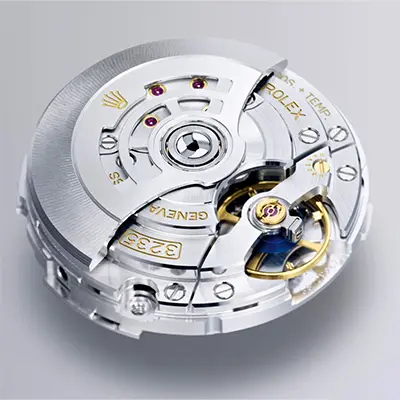
First, ask what movement is actually installed. Second, establish which functions it provides. Third, understand how its visible decoration relates to its construction. A standard mechanical movement can be covered with decorative plates, while another version may attempt to reproduce more of an original layout.
Neither approach should be described solely by a visual similarity score. The useful information is how the watch works, what the controls do, and what support is available for that mechanism. A transparent caseback makes appearance easier to inspect but does not answer all of those questions.
Common caliber-style labels
| Label family | Function to clarify in a replica listing |
|---|---|
| 3235 / 3230-style | Time display, date where applicable, winding, and setting behavior. |
| 3255-style | Day and date operation and the correct setting procedure. |
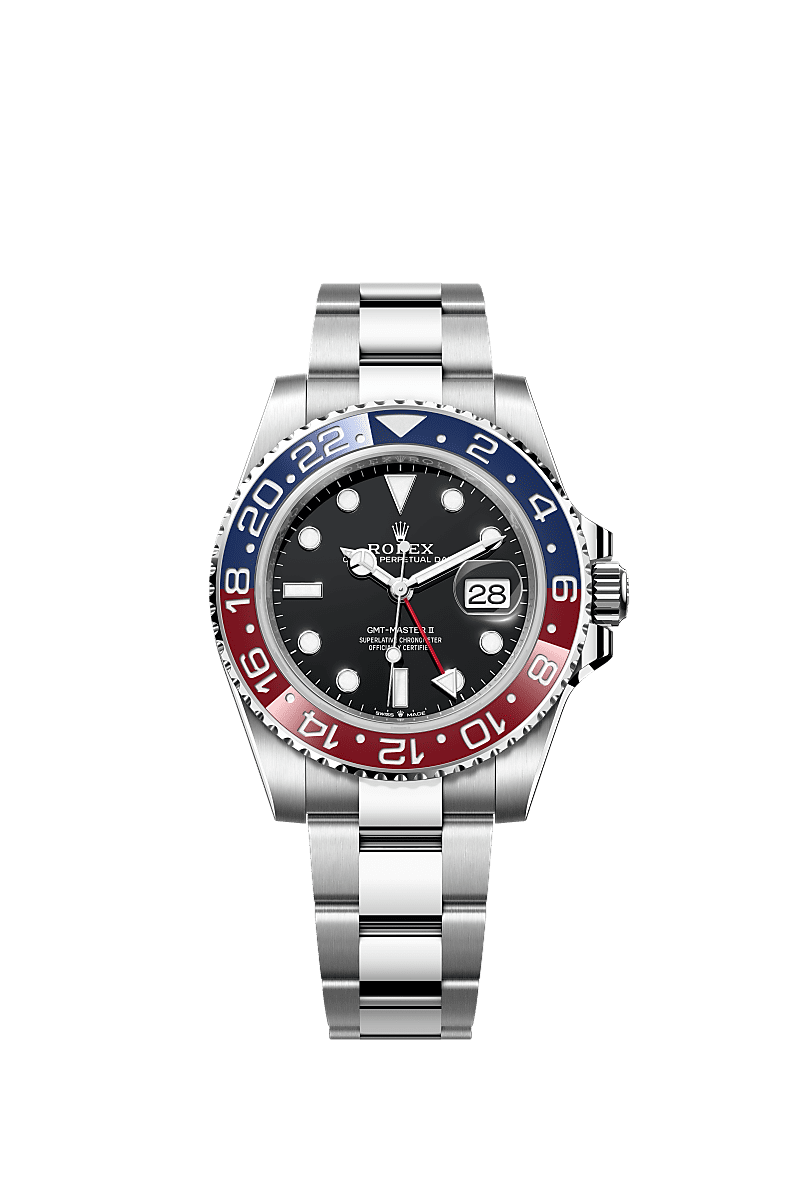
| 3285-style | Second time display and independent hand adjustment. |
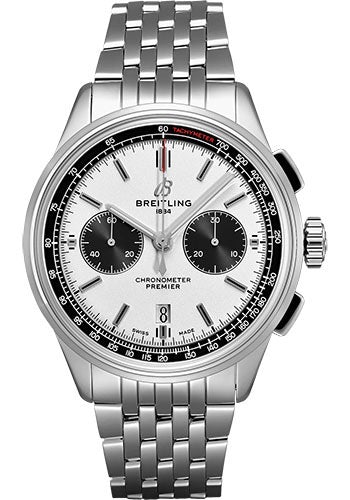
| 4130-style | Chronograph counters, start, stop, and reset behavior. |
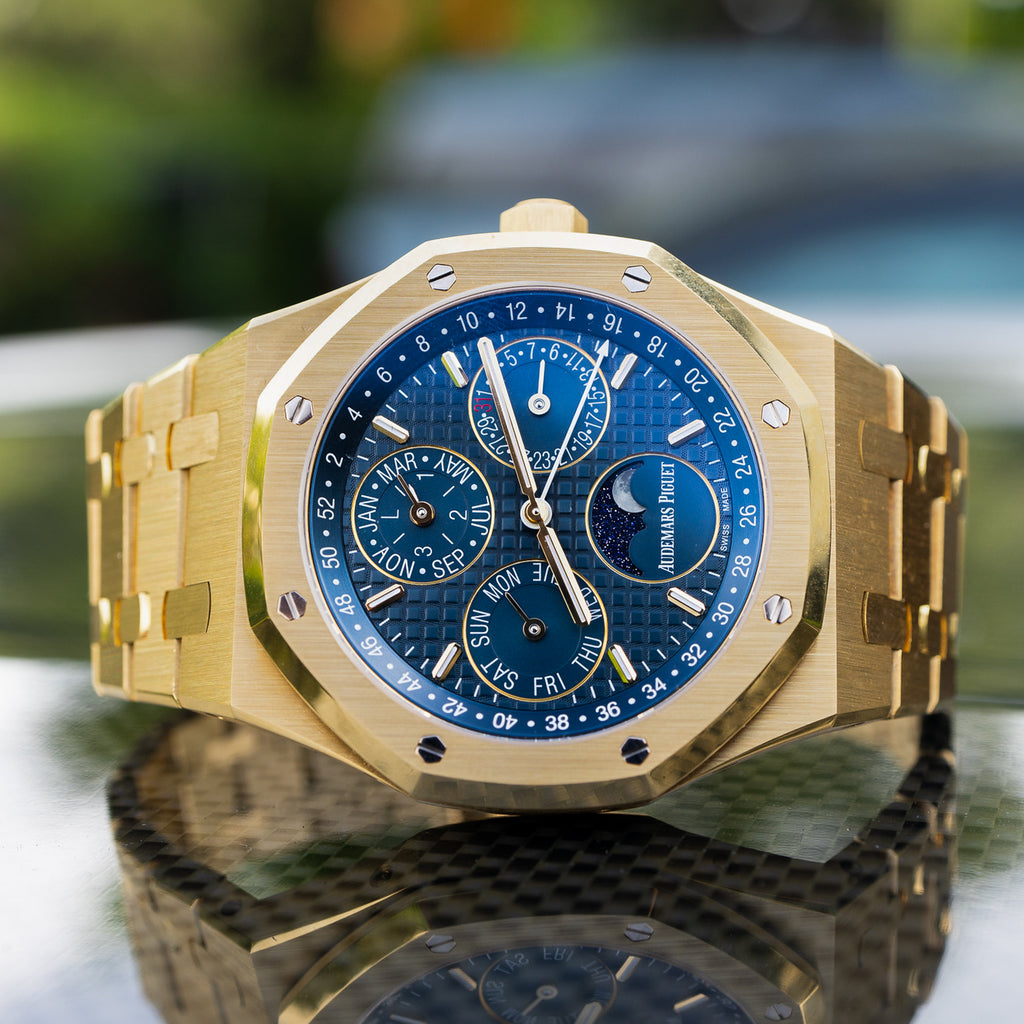
| AP caliber-style labels | Actual movement, display functions, and the role of decorative bridges or rotors. |
| Patek Philippe caliber-style labels | Winding arrangement, date or additional displays, and movement architecture. |
| Omega caliber-style labels | Actual escapement and functions, separate from visible decoration. |
This table is a reading aid, not a promise that every movement carrying a label has the same parts. A reference-style number in a product title should be supported by a description of the supplied version.
GMT and calendar movements
For a GMT-style watch, ask which hand moves independently and how the crown positions are used. A watch may display a second time zone while using a setting arrangement different from the genuine reference. A clear video is more informative than the presence of an extra hand alone.
Day, date, moonphase, and power-reserve displays also require individual confirmation. Identify which are functional and how they are adjusted. Follow the instructions for the installed movement rather than assuming that every visually similar watch uses the same setting sequence.
Chronographs need a full demonstration
A chronograph should be shown starting, running, stopping, and resetting. Confirm what each subdial records and whether the hands return to their intended positions. If flyback is advertised, ask for an explanation and demonstration of that specific function on the watch being supplied.
Words such as column wheel and vertical clutch describe aspects of a chronograph's construction. They should not be inferred from pusher appearance or dial layout. A written movement specification and relevant evidence are needed to understand what the listing is claiming.
Timing evidence and service questions
A timegrapher reading can help show a mechanical movement's condition during a test. Rate, amplitude, and beat error need to be interpreted alongside the movement type, winding state, position, and instrument settings. One screenshot does not guarantee the same result throughout daily wear.
Ask about service options for the particular movement before relying on a general claim that all clone movements are easy to repair. Parts availability, modifications, and a watchmaker's willingness to work on the mechanism can affect the practical options. Fixed lifespan promises are not a substitute for that information.
The QC photo guide explains how movement evidence fits into a broader inspection. For a complete order checklist, continue with the buyer's guide and keep the movement description with the watch's other agreed specifications.