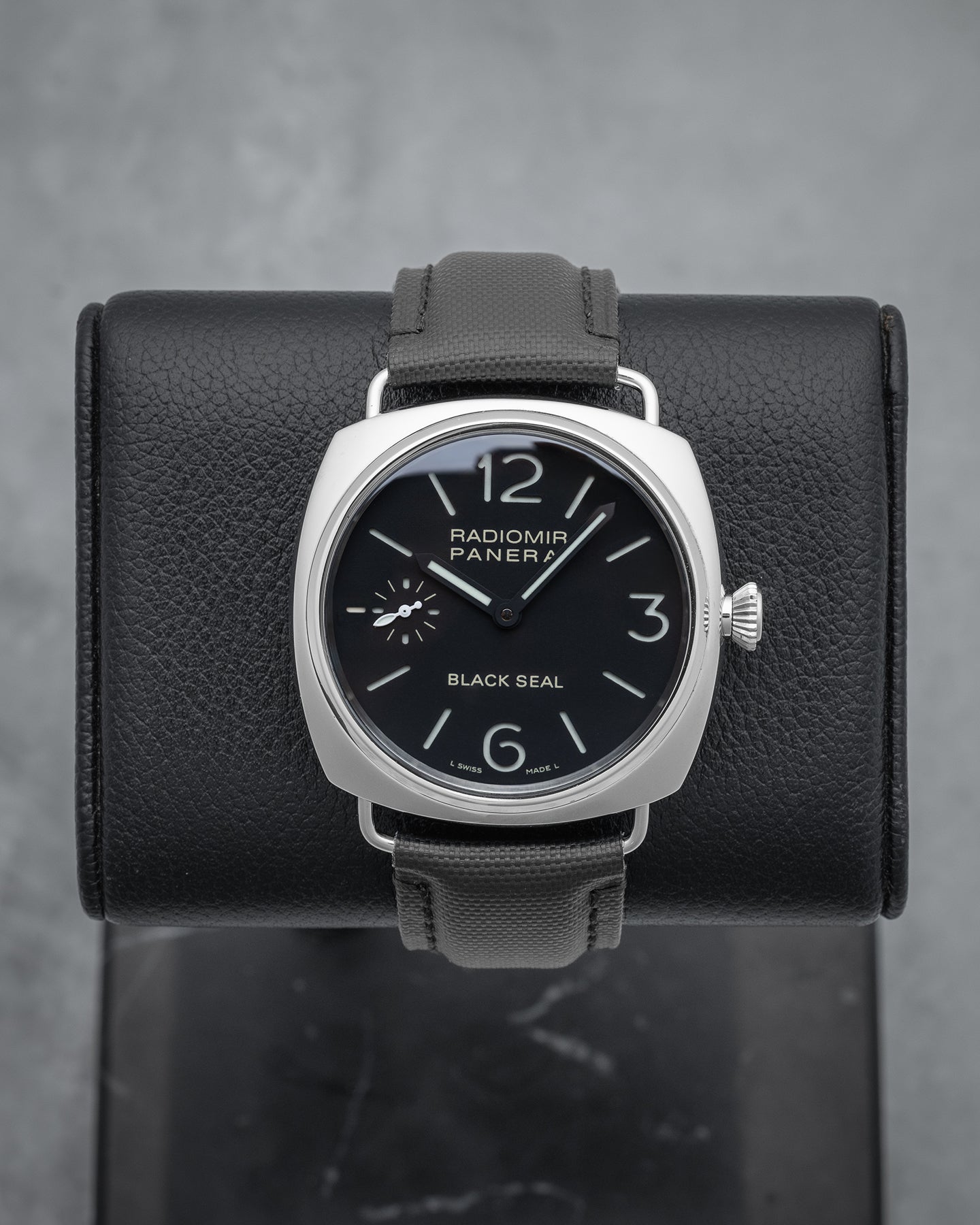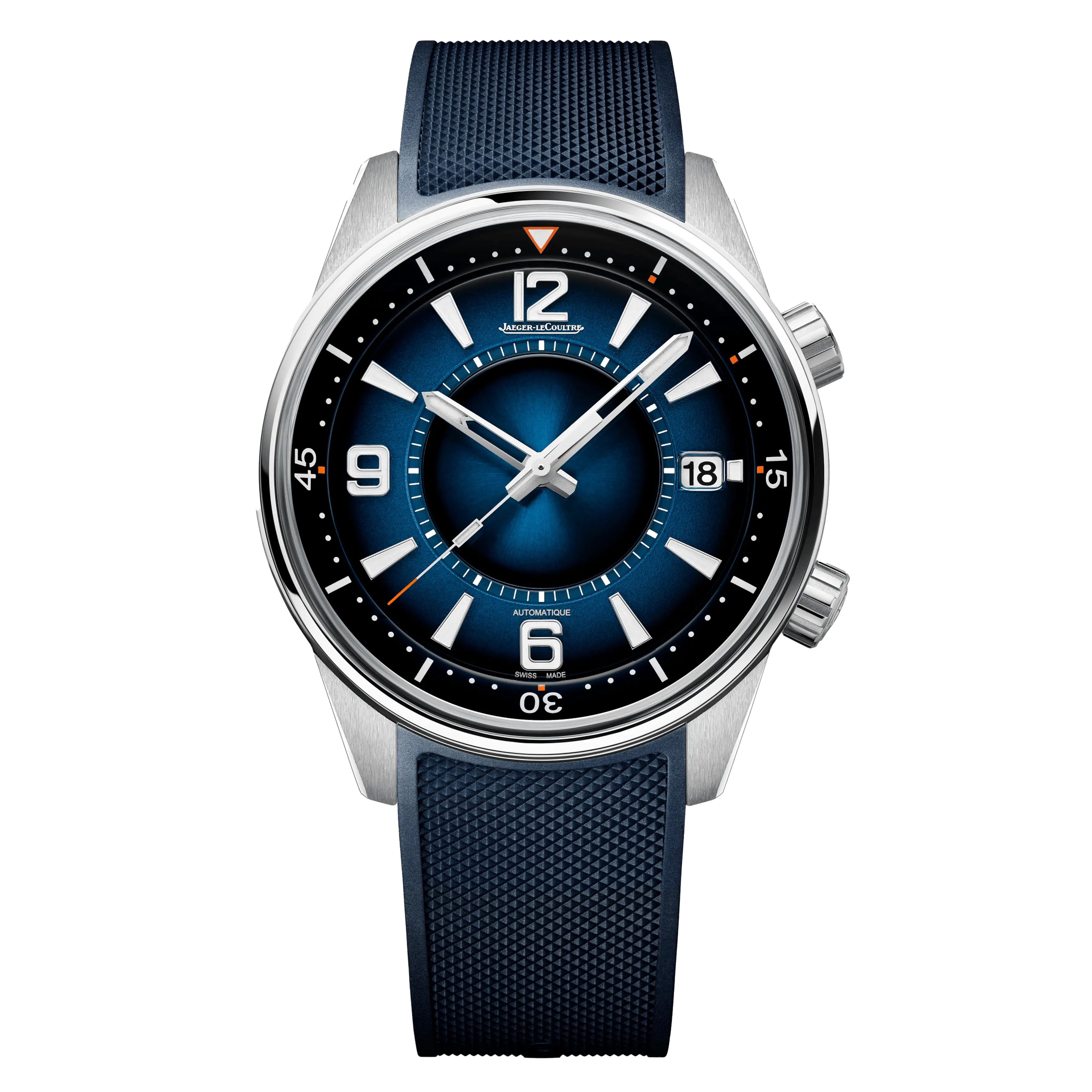
The Jaeger-LeCoultre Polaris brings a sport-watch character to a brand also associated with slim dress watches and complicated movements. Its heritage includes the Memovox Polaris of 1968, while modern designs explore date, chronograph, travel, and alarm themes. A Polaris replica may reproduce selected visual details, but the exact reference and the functions it offers should be clear from the start.
The Memovox connection
The original Memovox Polaris combined a dive-watch design with a mechanical alarm. Its distinctive crown arrangement and internal timing-bezel concept helped establish the collection’s identity. Those details explain why the Polaris looks different from sports watches that place a broad rotating bezel outside the crystal.
Heritage is useful context, but it does not establish a replica’s alarm capability or suitability for underwater use. A case with several crowns may use them for different purposes, and an additional crown may be decorative. Ask what every control does on the actual watch.
Choose by reference, not just collection name
Polaris Date, Chronograph, Geographic, and Mariner designs do not share one universal dial or set of controls. Photos and specifications should relate to the same version. Be cautious when a listing combines one model’s appearance with another model’s movement or performance description.
| Design theme | Useful question |
|---|---|
| Date and internal-bezel designs | Does the timing ring move correctly, and which crown operates it? |
| Chronograph | Which counters operate and what does each measure? |
| Geographic or world-time display | Are the city and time indications mechanically linked? |
| Memovox-inspired design | Is there a working alarm, and how is it set? |
Inspect an internal bezel carefully
On versions that use an internal rotating timing ring, the ring and its scale are central to the design. Look for clear printing and consistent placement around the dial. Request a short video showing the relevant crown moving the ring, then returning it to the desired position.
Operation should be described according to the mechanism fitted to the replica. Do not assume a particular click action, direction of travel, or adjustment procedure from another Polaris version. If the ring does not function, that should be disclosed before purchase.
Dial texture and legibility
The Polaris often combines concentric dial areas with contrasting surface finishes. Black, blue, and green treatments can look quite different under studio lighting. Ask for neutral photographs so you can judge the color and whether the hands remain clear against the background.
Inspect luminous areas for even application and markers for consistent alignment. A brightly charged dial in one photograph does not demonstrate long-lasting visibility. The date, where fitted, should be centered and readable without disrupting the surrounding scale.
Case, bracelet, and practical use
Case-side controls can affect comfort as much as diameter. Check width, thickness, overall length, and the position of the crowns against your wrist. On bracelet versions, ask how the links and clasp are adjusted; on strap versions, confirm the available length and attachment type.
Dive styling and a copied depth inscription do not establish water resistance. Any such claim needs evidence for the individual watch, and the original Polaris specification should be kept separate from the replica’s description. The same applies to movement names, reserve figures, and case materials.
If the attraction is Jaeger-LeCoultre’s quieter dial design, compare the Master collection guide. For a different case concept, read about the Reverso, or browse the wider Jaeger-LeCoultre collection.