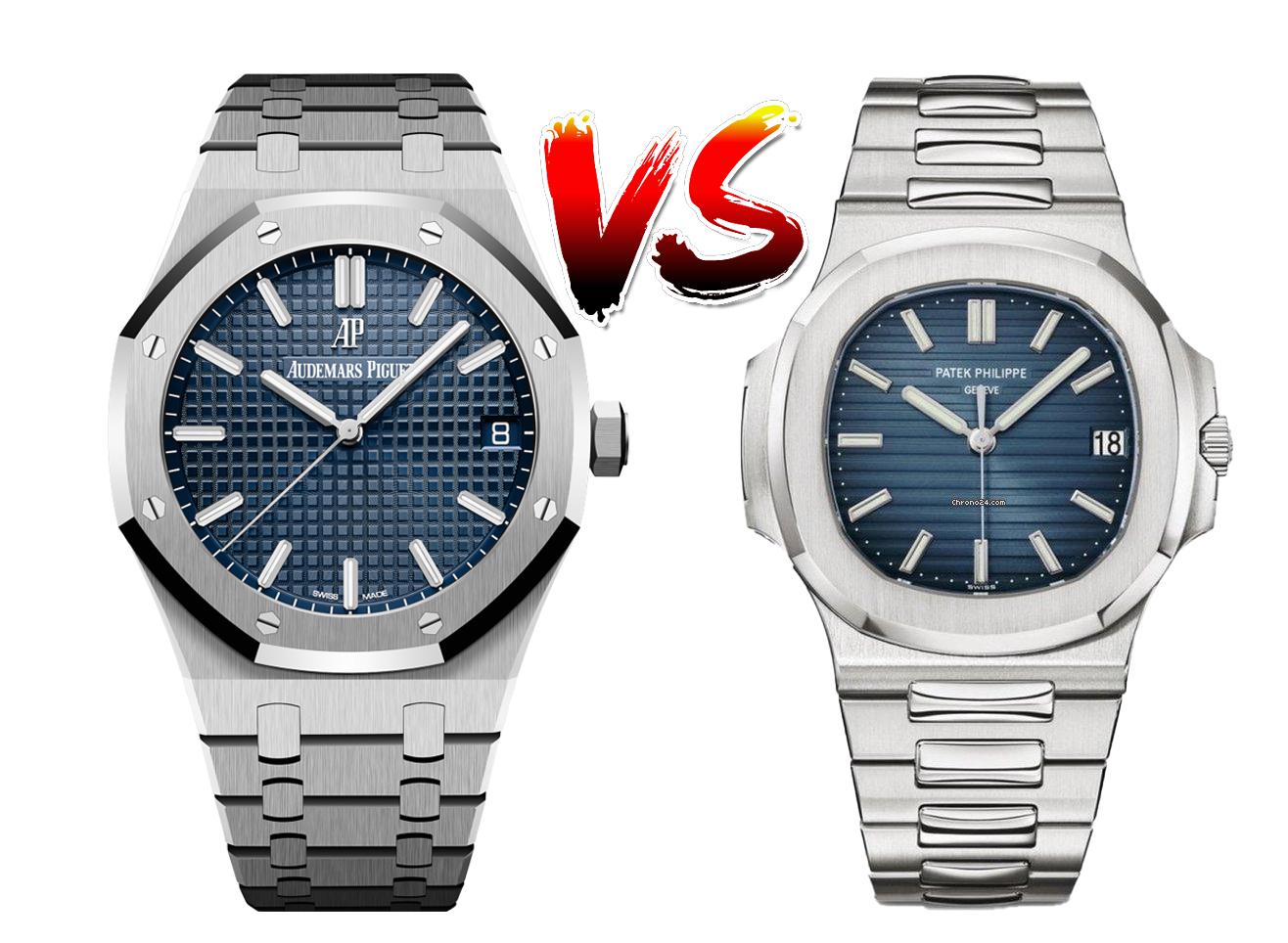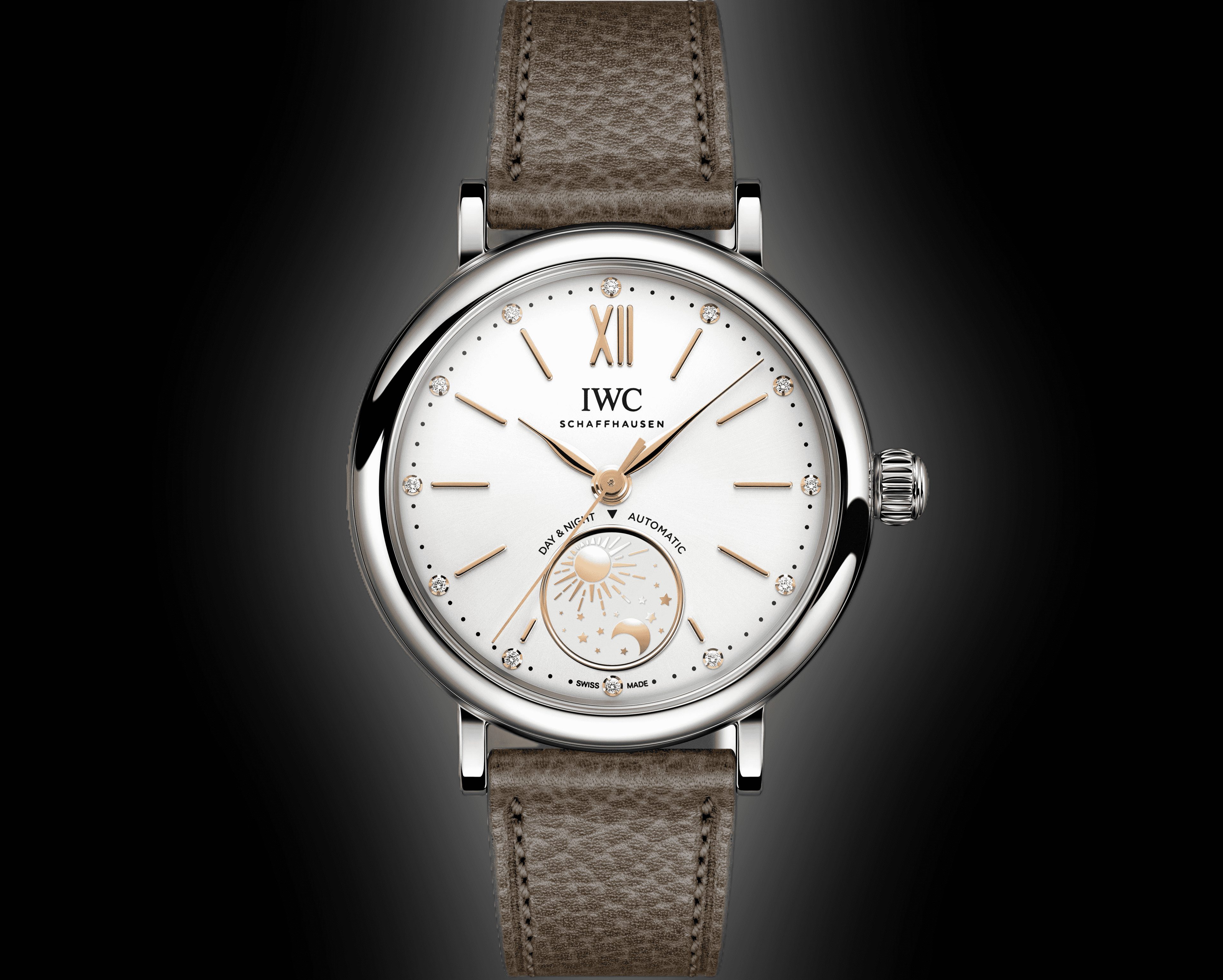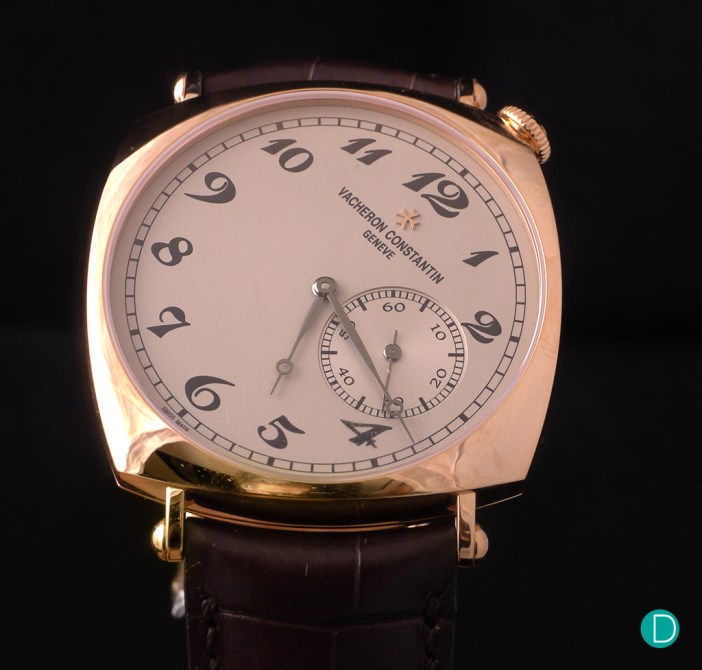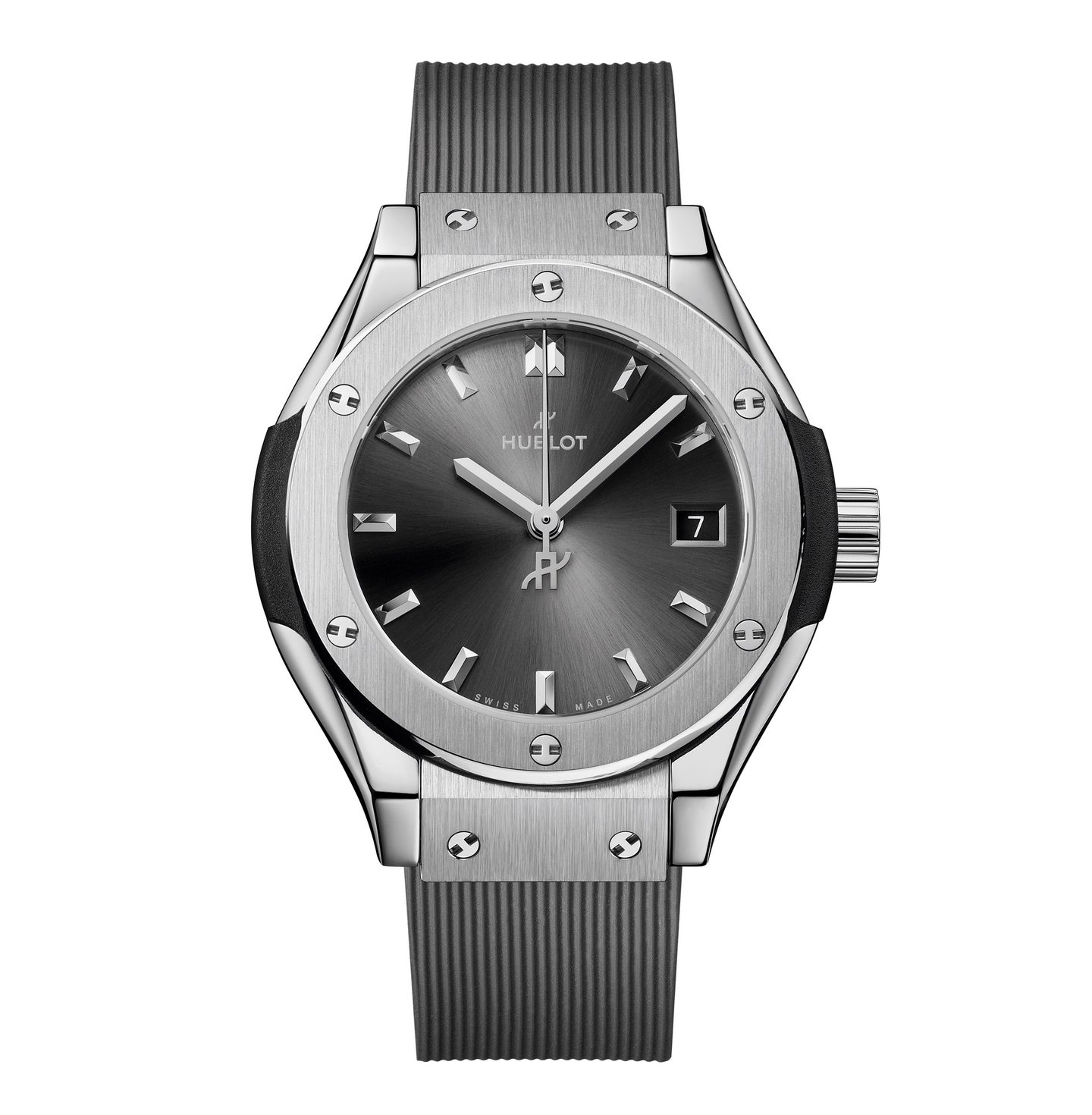
The Classic Fusion presents Hublot’s porthole-inspired design in a quieter form. A round bezel, visible H-shaped screws, and a strap that meets the case closely preserve the family resemblance, while a simpler dial and relatively slim profile change the wearing experience. When comparing a Classic Fusion replica, start with those proportions rather than broad claims about similarity to an original.
A different expression of Hublot design
The collection draws on the gold-and-rubber pairing associated with Hublot’s early watches. Its appeal comes from the tension between a technical-looking case and a restrained dial. Applied markers, narrow hands, and open space give the time display room to breathe, especially on the simpler automatic designs.
This makes small finishing differences easy to see. A crowded logo, uneven marker placement, or poorly centered date window can disturb an otherwise balanced face. View the dial straight on, then under angled light to judge its surface finish and the alignment of the hands.
How the sizes change the watch
The source collection spans 38mm, 42mm, and 45mm examples. The smaller format emphasizes the dress-watch side of the design; the larger format gives the broad bezel more presence. The middle size provides another option, but it is not a universal fit for every wrist.
| Format | What to consider |
|---|---|
| 38mm | A smaller dial and case footprint; check strap length and clasp placement. |
| 42mm | A balance of visible detail and wrist coverage; verify the actual case height. |
| 45mm | A broader presentation; check that the lugs and strap stay within your wrist. |
Thickness is particularly important because a bulky reproduction can lose the quality that distinguishes the Classic Fusion from the Big Bang. Ask for a side photograph and measured dimensions of the offered item. A case that looks modest from above can still feel tall under a cuff.
Dial color and case finish
Black gives the dial a straightforward, high-contrast appearance. Gray and blue finishes can change more noticeably as light moves across the surface. Compare photographs taken in similar conditions; dramatic lighting can make a dial look brighter, darker, or more textured than it appears in everyday use.
Titanium-colored, black ceramic-style, and warm gold-tone versions produce different effects even when the shape stays similar. King Gold is Hublot’s name for an original alloy, so a replica using that description still needs its own material disclosure. Ask whether the color comes from the underlying material or a surface coating.
Simple automatic or chronograph?
The automatic designs keep attention on the case, hands, and dial finish. Chronograph versions add counters and pushers, bringing more visual activity and more functions to check. Decide which layout you prefer before comparing individual listings, since a chronograph is a different wearing proposition from the simplest Classic Fusion.
Movement names used for original Hublot watches should not be treated as proof of a replica’s internal construction. Request the installed movement description, a clear caseback image when relevant, and confirmation of the actual date or chronograph functions. A decorated rotor does not establish power reserve, accuracy, or serviceability.
Finish the comparison with fit
Inspect strap edges, stitching where present, and the join between strap and case. A secure clasp should sit comfortably rather than pressing into one spot. Replacement straps and adjustment range are worth confirming before the watch arrives.
If you prefer an open dial and a more substantial case, compare the Big Bang guide. To review the different design directions together, browse the Hublot collection and compare the specifications of each actual item.