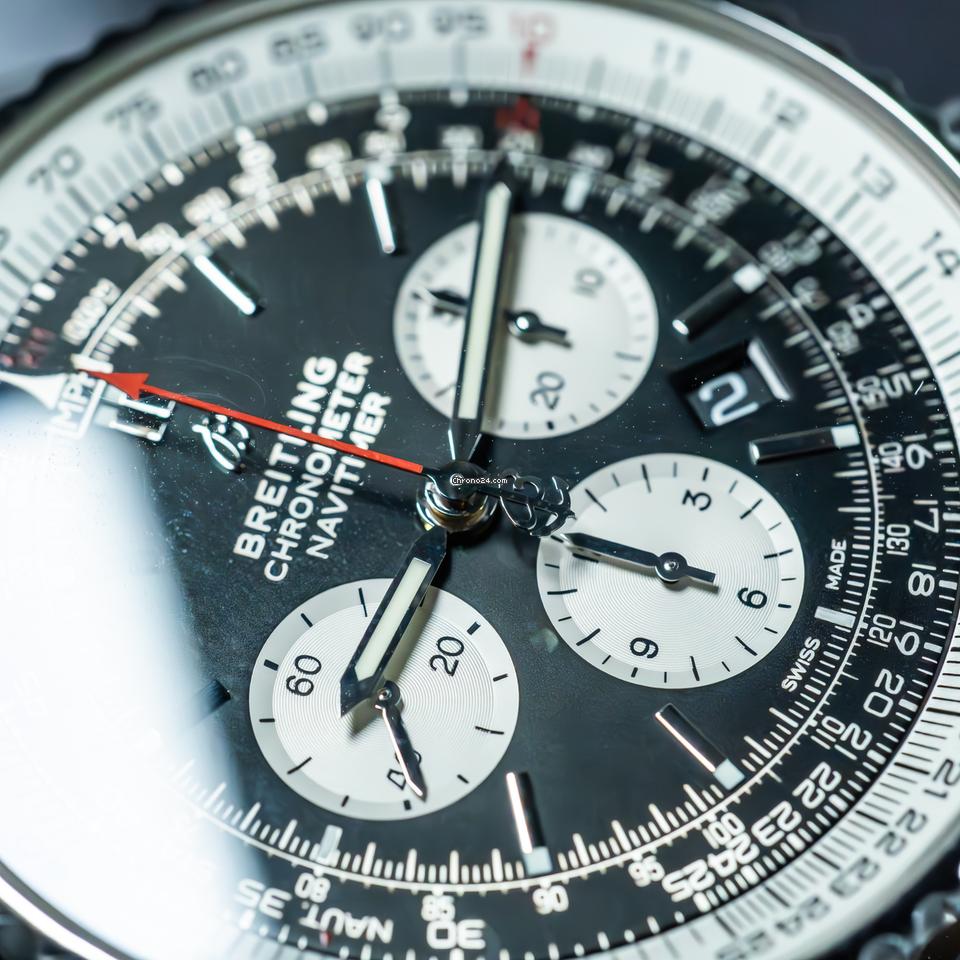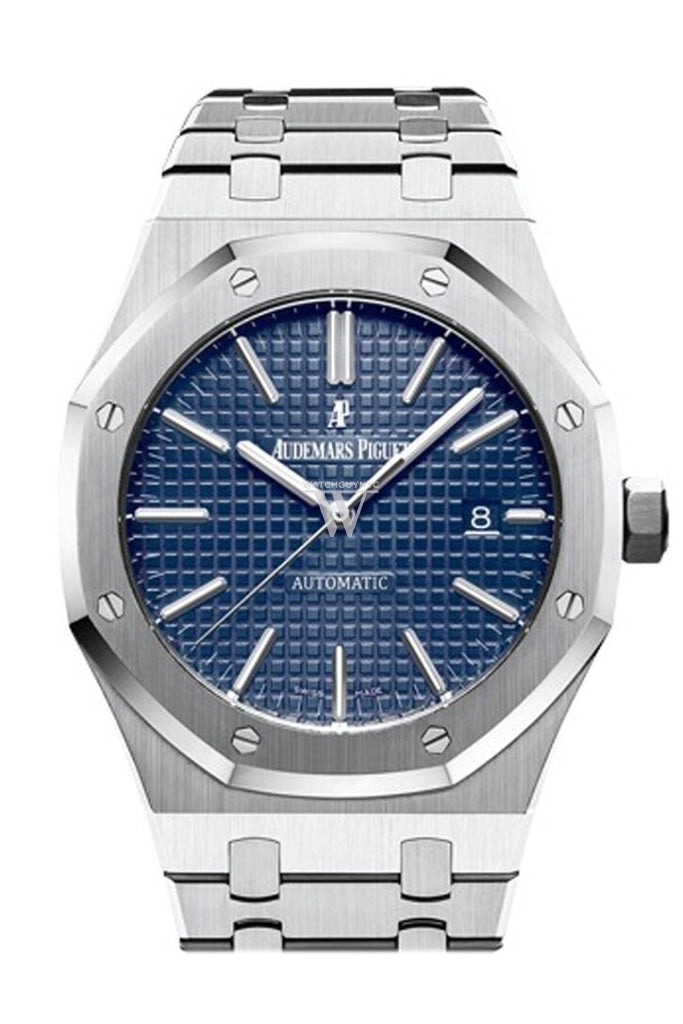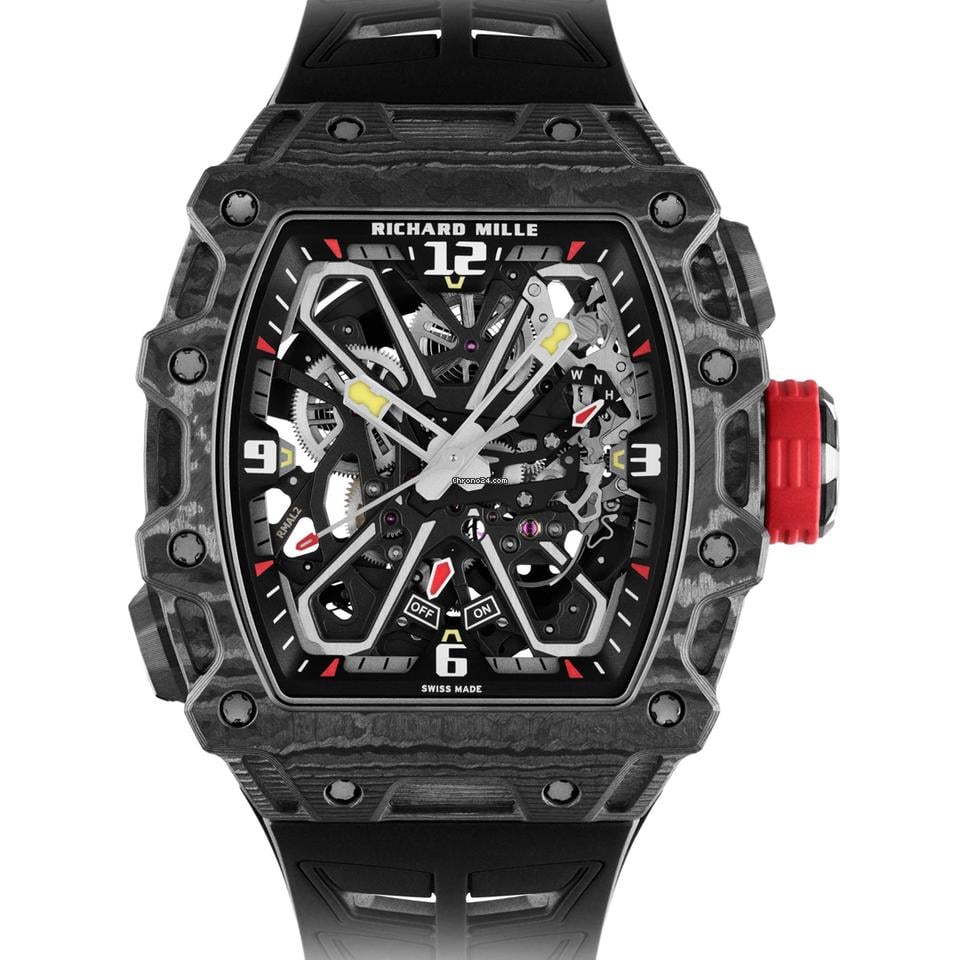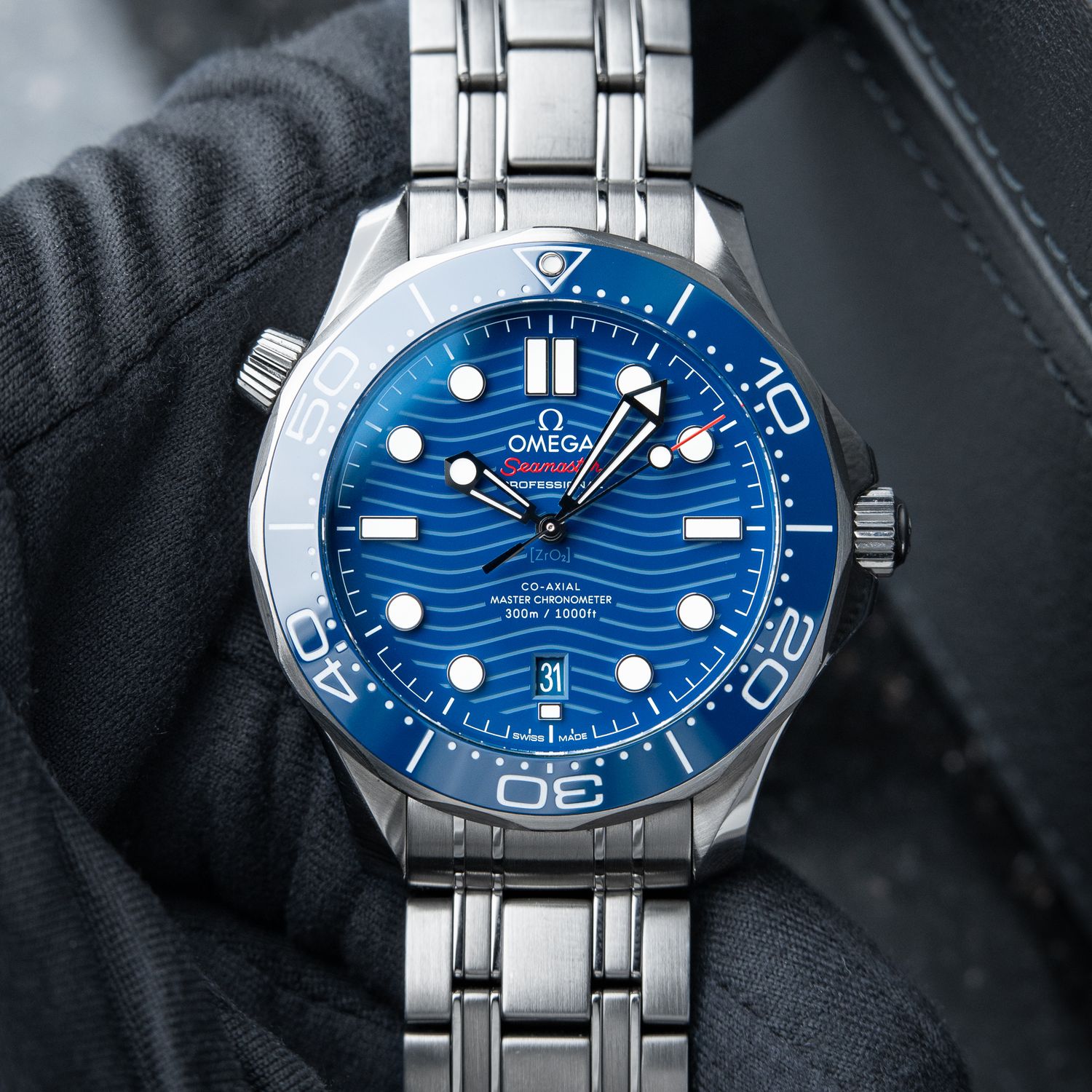
The Seamaster name covers several different Omega designs. The Diver 300M is known for its wave dial and distinctive bezel, the Planet Ocean has a more substantial presence, the Aqua Terra uses a cleaner dial without an external timing bezel, and the Seamaster 300 takes a heritage-oriented approach. Choosing a replica starts with deciding which of those designs you actually want.
One family, several identities
The Seamaster collection dates to 1948 and has expanded well beyond a single watch format. Its history and the Diver 300M’s association with James Bond help explain the name’s recognition, but they should not replace a specific model description when comparing products.
| Design | Main visual cues | First comparison point |
|---|---|---|
| Diver 300M | Wave dial, distinctive bezel, and skeleton-style hands | Dial pattern and the balance of hands and markers |
| Planet Ocean | A substantial case and bold bezel colors | Overall dimensions and wrist fit |
| Aqua Terra | A cleaner case and patterned dial options | Dial finish and bracelet proportions |
| Seamaster 300 | Heritage-inspired markers and hands | The exact reference and its individual details |
The Diver 300M’s wave dial
The wave pattern gives the dial texture without replacing the large hour markers. Look for consistent pattern spacing, sharp printing, and a date window that sits neatly within the layout where fitted. Under angled light, reflective surfaces can conceal details, so request a straightforward front photograph as well.
Blue is closely associated with the design, but black, white, green, and other combinations change its appearance significantly. Compare color in ordinary light. Different references use different bezel and dial pairings, so avoid assuming that every available color shares the same specifications.
Bezel, hands, and case details
The bezel marker and dial should appear properly aligned when the bezel is set to its reference position. If a rotating bezel is advertised, ask to see it operating. Clear numerals and a clean finish matter, but a glossy surface does not by itself prove that the insert is ceramic.
Inspect the edges of the hands, the placement of luminous material, and the transition between the case’s brushed and polished areas. A valve-shaped control or a depth inscription is part of the appearance; neither establishes the water resistance of an individual replica.
Bracelet or strap?
The bracelet adds visible detail and weight, while a rubber-style strap changes both the balance and the look of the watch. Some editions use mesh or fabric, giving them a different relationship between case and wrist. Choose the combination for fit as well as appearance.
Ask about link removal, clasp adjustment, and strap length. Check the fit between the case and its end links or strap attachments. A watch that looks well proportioned in a photograph may still be uncomfortable if the clasp sits in the wrong place or the first links cannot curve around your wrist.
Factory names are not specifications
Listings may use labels such as VSF, ORF, or SBF. Such labels do not establish the condition, materials, or performance of the item being offered. Compare actual photographs, movement information, measured dimensions, and documented functions instead of relying on a factory ranking or an unsupported similarity percentage.
Original Omega movement names, certification language, and water-resistance ratings should be distinguished from replica specifications. Request instructions for the installed movement and evidence for any performance claim that matters to your intended use.
For a larger-case comparison, read the Planet Ocean guide. For a chronograph, explore the Speedmaster guide within the broader Omega collection.